Theme Tasks catalog
Water
• you will explore the properties of water;
• you will learn which water is useful and in which states it can be;
• you will think about why water is a priceless gift of nature;
• you will learn to use water wisely and take care of water.
• you will learn which water is useful and in which states it can be;
• you will think about why water is a priceless gift of nature;
• you will learn to use water wisely and take care of water.
1
Complete the sentence.
Move the correct word to the empty space.
Complete the sentence.
Move the correct word to the empty space.
2
Listen to the story about Drippy the Traveler!
Drippy lived on a fluffy cloud with her sisters.
They grew bigger and bigger until the cloud became heavy.
One morning the cloud turned into rain, and Drippy landed on a daisy leaf, then rolled right into a lively little stream!
The stream carried Drippy to a beautiful lake.
She had never seen so much water in her life!
She saw Minnows swimming around and looking at her with curiosity.
Drippy wanted to say hello, but suddenly the warm sun touched her with a bright ray and turned her into invisible steam.
"I am flying!" she whispered, rising up to join the white cloud heading to the Snowy Kingdom.
Drippy flew for a long time until she saw snowy mountains in the distance.
"Why is everything so white?" she wondered.
She jumped from the cloud, and the Frosty Wind quickly caught her, turning our little drop into a beautiful snowflake!
She looked around at millions of other amazing snowflakes and smiled: "Now I see why everything is so white!"
Listen to the story about Drippy the Traveler!
Drippy lived on a fluffy cloud with her sisters.
They grew bigger and bigger until the cloud became heavy.
One morning the cloud turned into rain, and Drippy landed on a daisy leaf, then rolled right into a lively little stream!
The stream carried Drippy to a beautiful lake.
She had never seen so much water in her life!
She saw Minnows swimming around and looking at her with curiosity.
Drippy wanted to say hello, but suddenly the warm sun touched her with a bright ray and turned her into invisible steam.
"I am flying!" she whispered, rising up to join the white cloud heading to the Snowy Kingdom.
Drippy flew for a long time until she saw snowy mountains in the distance.
"Why is everything so white?" she wondered.
She jumped from the cloud, and the Frosty Wind quickly caught her, turning our little drop into a beautiful snowflake!
She looked around at millions of other amazing snowflakes and smiled: "Now I see why everything is so white!"

3
Guess the riddle. Make the answer word.
They drink me,
they pour me,
everyone needs me.
Who am I?
Guess the riddle. Make the answer word.
They drink me,
they pour me,
everyone needs me.
Who am I?
4
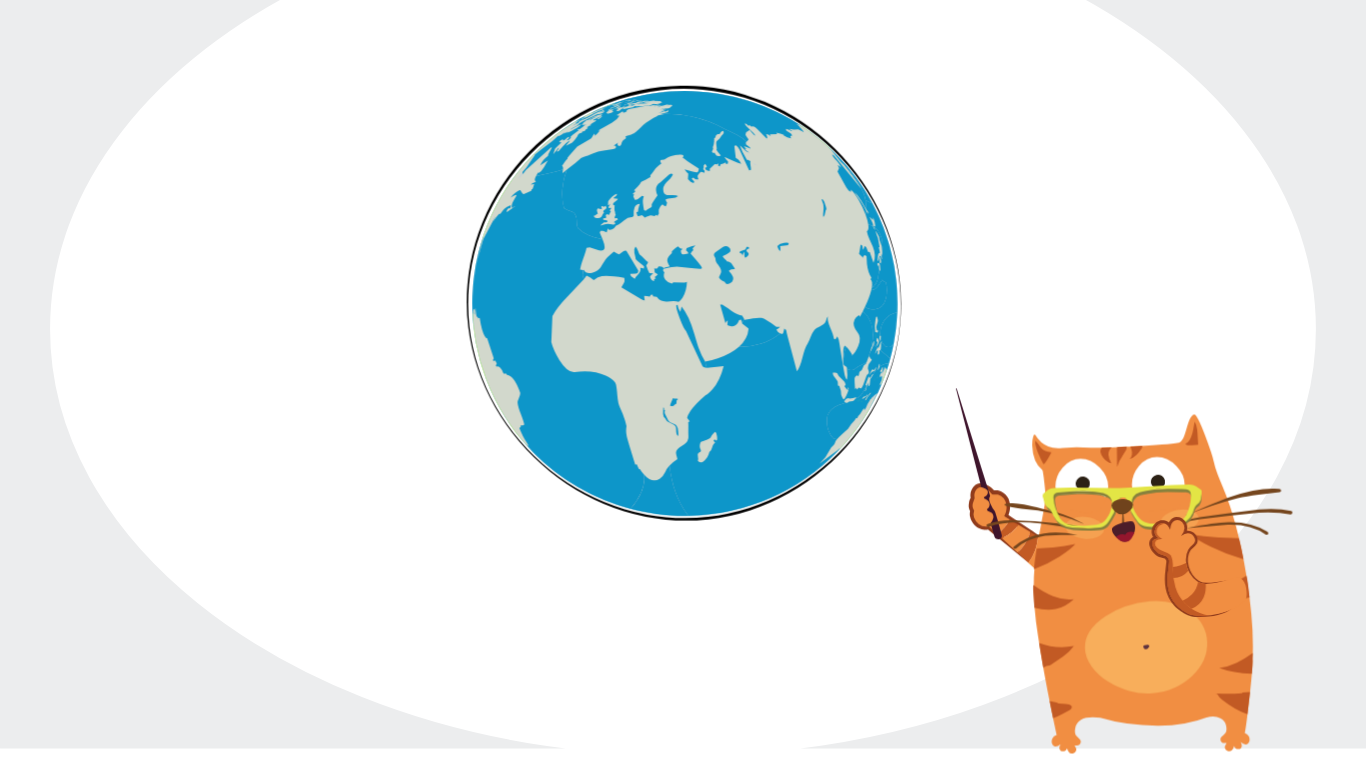
Look, this is how planet Earth looks from space.
It is mostly blue, the color of water, which covers most of the Earth's surface.
Water is in oceans, seas, rivers, ponds and lakes, under the ground and even in the air.
Do you know that water can be in three states?
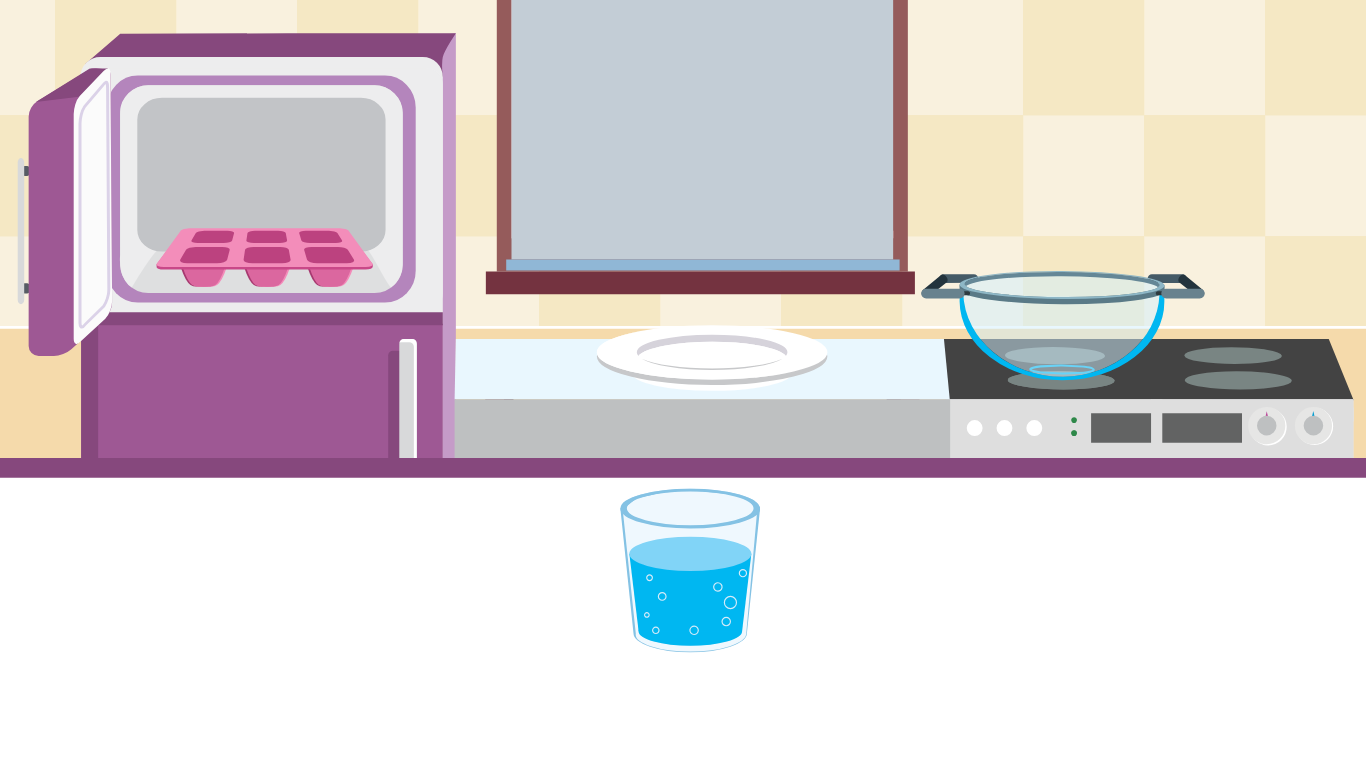
Let's pour water into a glass.
This is the liquid state of water.
Let's pour water into a mold and freeze it.
It will turn into ice.
This is the solid state of water.
Let's put the ice cubes and heat them.
The ice will slowly start to melt, turning back into liquid.
Let's boil the water. Bubbles with water vapor will appear, rising up and mixing with the air.
Steam is the gaseous state of water.
Water can be in three different states. It can be liquid, solid like ice, or light steam.
Look, this is how planet Earth looks from space.
It is mostly blue, the color of water, which covers most of the Earth's surface.
Water is in oceans, seas, rivers, ponds and lakes, under the ground and even in the air.
Do you know that water can be in three states?
Let's pour water into a glass.
This is the liquid state of water.
Let's pour water into a mold and freeze it.
It will turn into ice.
This is the solid state of water.
Let's put the ice cubes and heat them.
The ice will slowly start to melt, turning back into liquid.
Let's boil the water. Bubbles with water vapor will appear, rising up and mixing with the air.
Steam is the gaseous state of water.
Water can be in three different states. It can be liquid, solid like ice, or light steam.
5
Where do you need to pour water so it turns into ice?
Move the glass with water to the right place.
Where do you need to pour water so it turns into ice?
Move the glass with water to the right place.
6
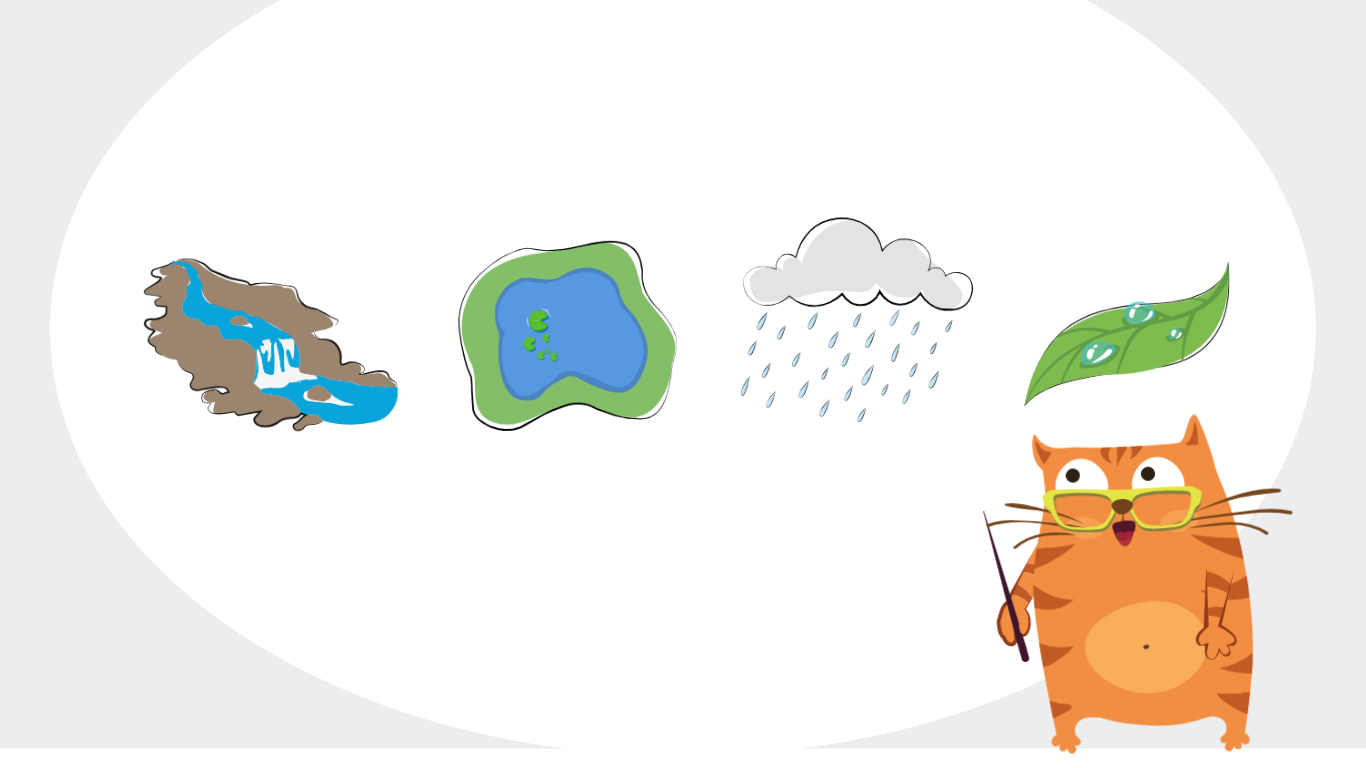
You can see all three states of water in nature.
Water in a river, lake, rain, dew is the liquid state of water.
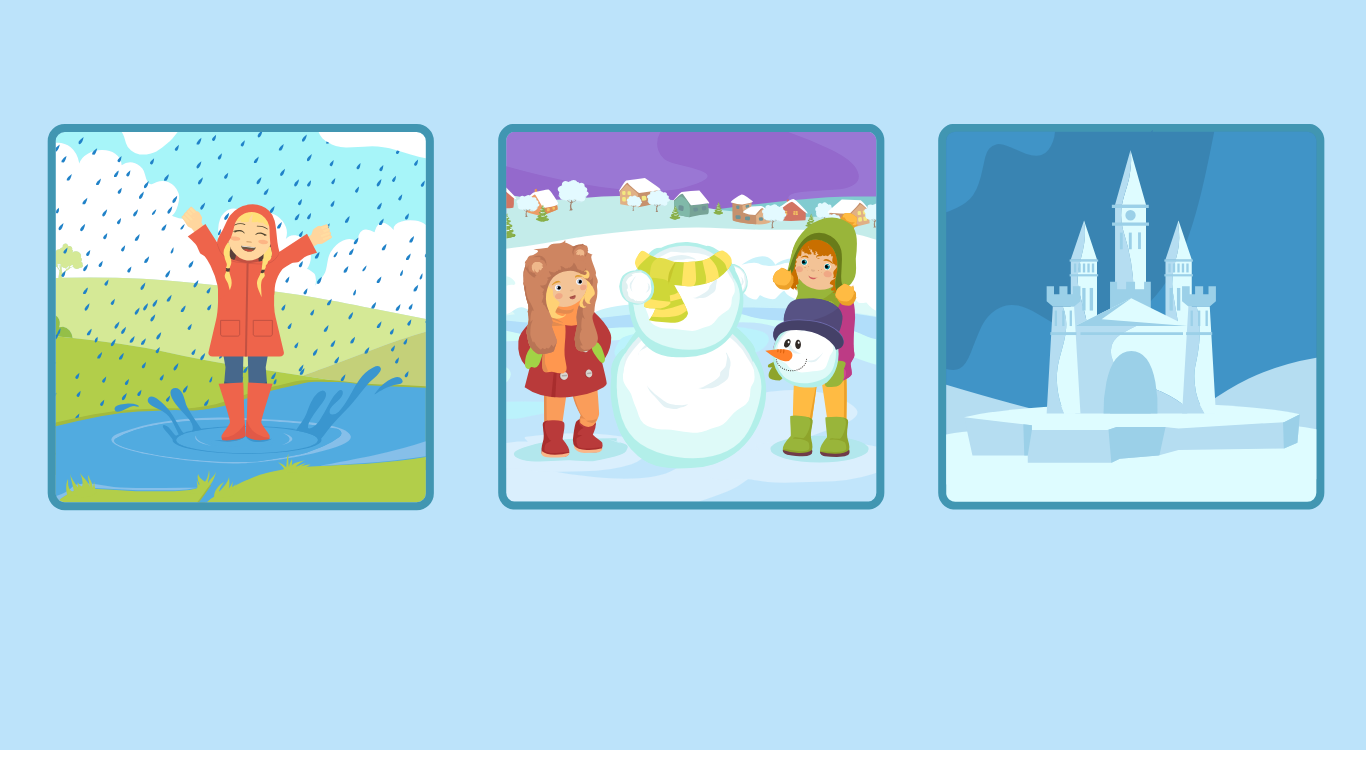
Ice, snow, frost are the solid state of water.
In clouds, steam above water, and fog there is water vapor. This is the gaseous state of water.
You can see all three states of water in nature.
Water in a river, lake, rain, dew is the liquid state of water.
Ice, snow, frost are the solid state of water.
In clouds, steam above water, and fog there is water vapor. This is the gaseous state of water.
7
Choose the pictures where water is shown in the solid state.
Choose the pictures where water is shown in the solid state.
8
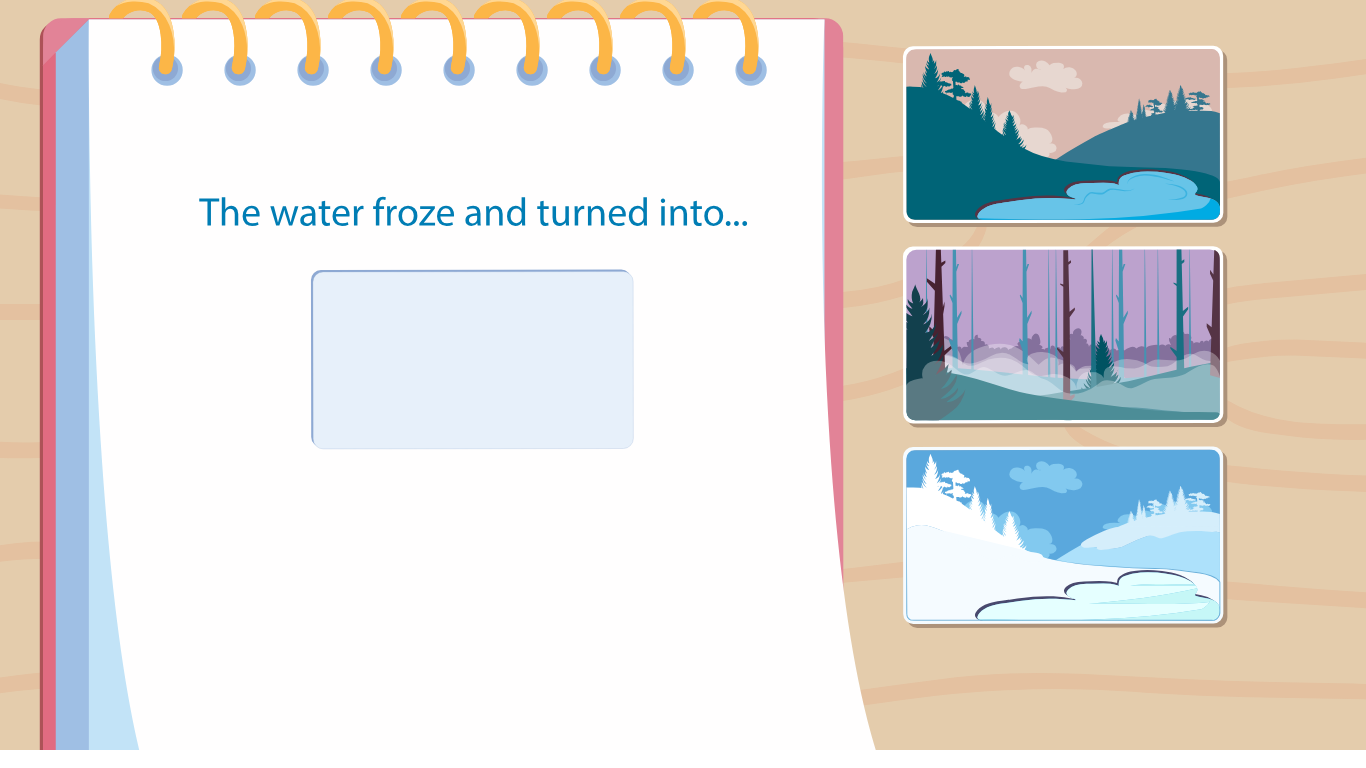
Continue the sentence. Choose the right picture.
The water froze and turned into...
Continue the sentence. Choose the right picture.
The water froze and turned into...
9
Let's explore what properties water has in the liquid state.
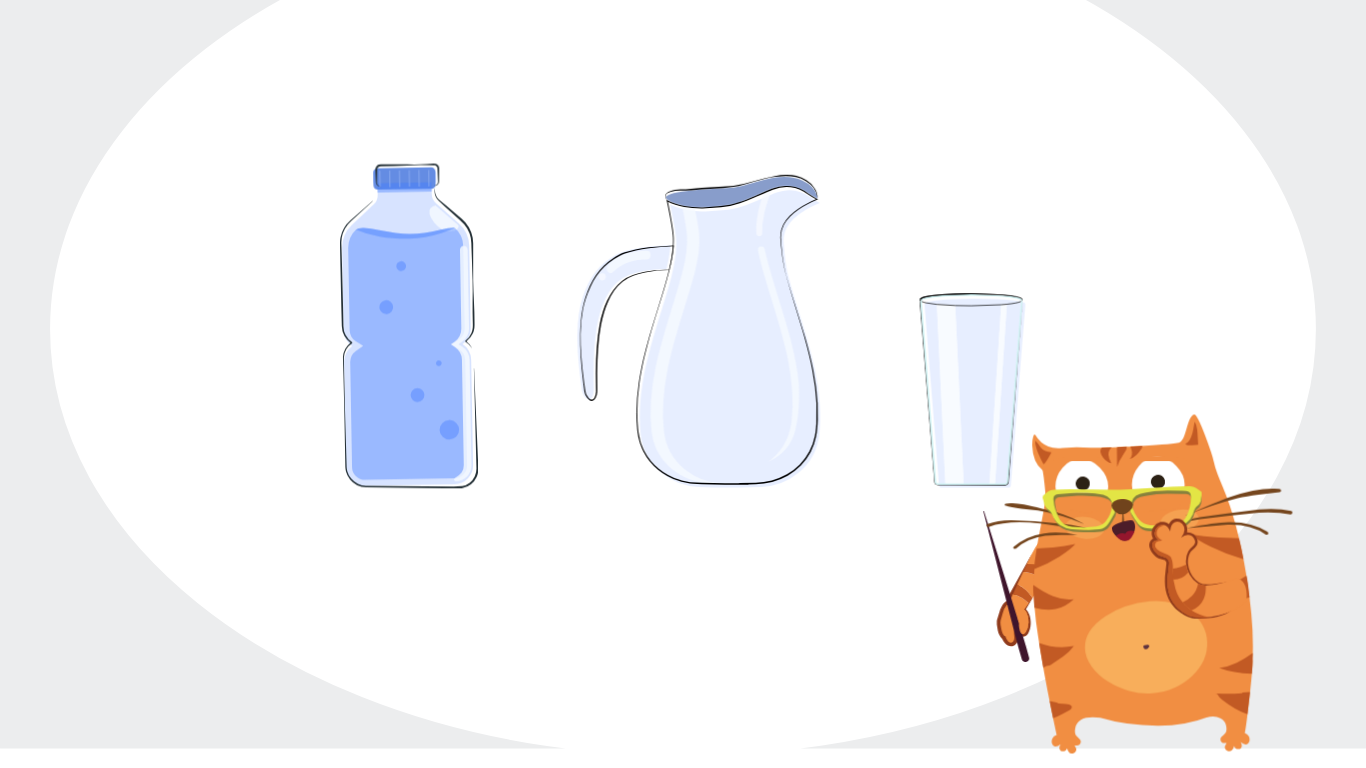
Let's pour water from a bottle into a jug and a glass.
We see that water flows, it has no shape.
Notice, water takes the shape of the container it is in.
Let's smell the water.
Clean water has no smell.
Let's taste clean water.
Water has no taste.
Let's put a part from a constructor into a glass of water.
We can see this part well, because water is clear and colorless.
Let's put some sugar into the glass of water and stir.
What happened?
The water dissolved the sugar.
So, water dissolves some substances.
Remember the properties of water.
water is a liquid
it flows,
has no shape,
has no smell,
has no taste,
clear,
colorless,
dissolves some substances.
Let's explore what properties water has in the liquid state.
Let's pour water from a bottle into a jug and a glass.
We see that water flows, it has no shape.
Notice, water takes the shape of the container it is in.
Let's smell the water.
Clean water has no smell.
Let's taste clean water.
Water has no taste.
Let's put a part from a constructor into a glass of water.
We can see this part well, because water is clear and colorless.
Let's put some sugar into the glass of water and stir.
What happened?
The water dissolved the sugar.
So, water dissolves some substances.
Remember the properties of water.
water is a liquid
it flows,
has no shape,
has no smell,
has no taste,
clear,
colorless,
dissolves some substances.
10
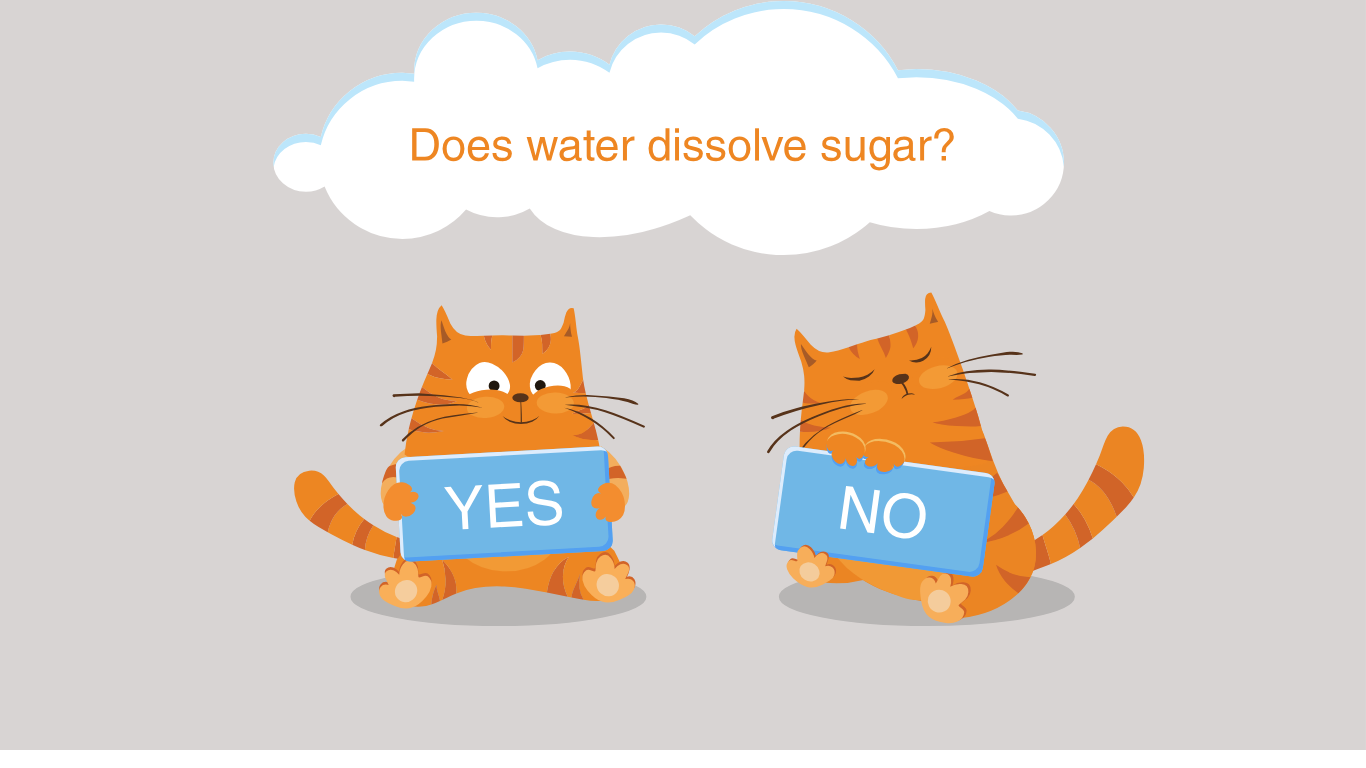
Choose the cat who gives the right answer to the question.
Choose the cat who gives the right answer to the question.
11
Listen to the problem.
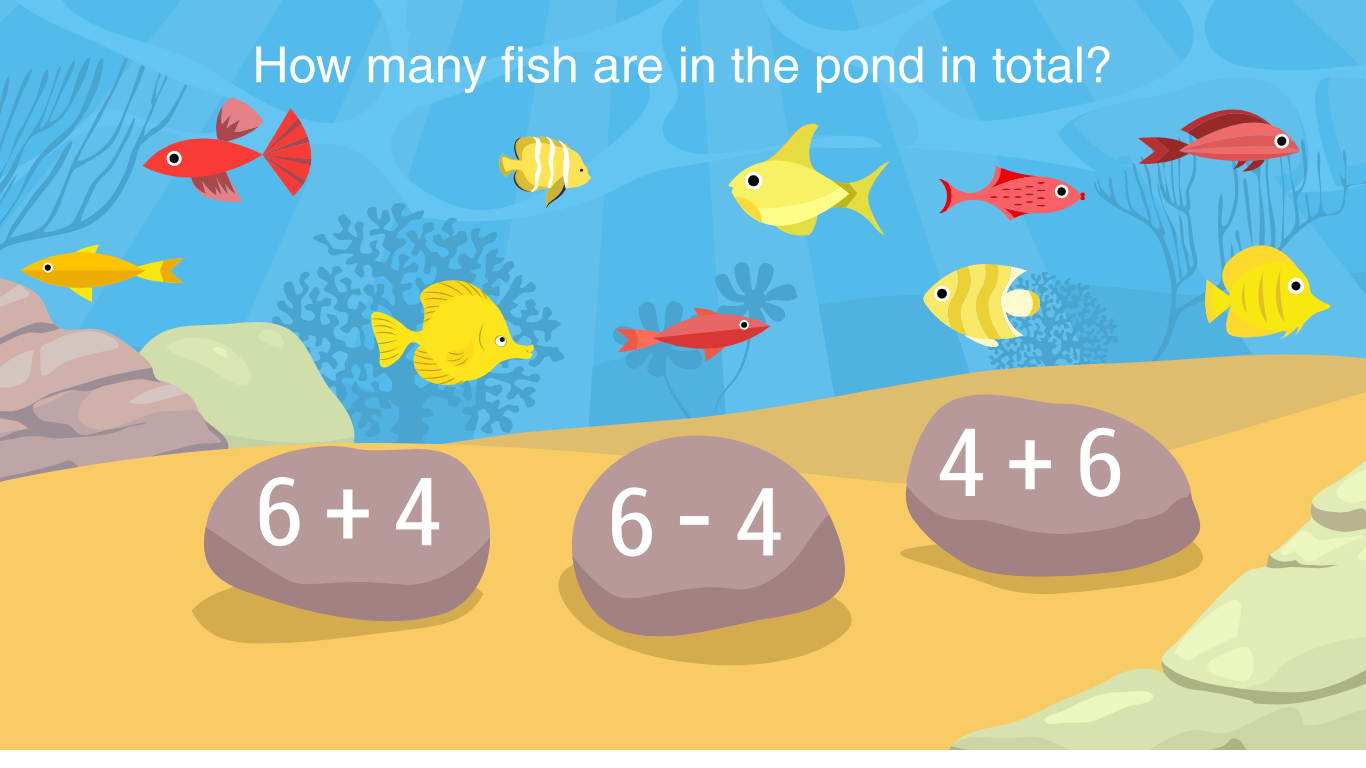
There are 4 red fish and 6 yellow fish in the pond.
How many fish are there in the pond?
Click on the stone with the correct answer.
Listen to the problem.
There are 4 red fish and 6 yellow fish in the pond.
How many fish are there in the pond?
Click on the stone with the correct answer.
12
Water is a priceless gift of nature.
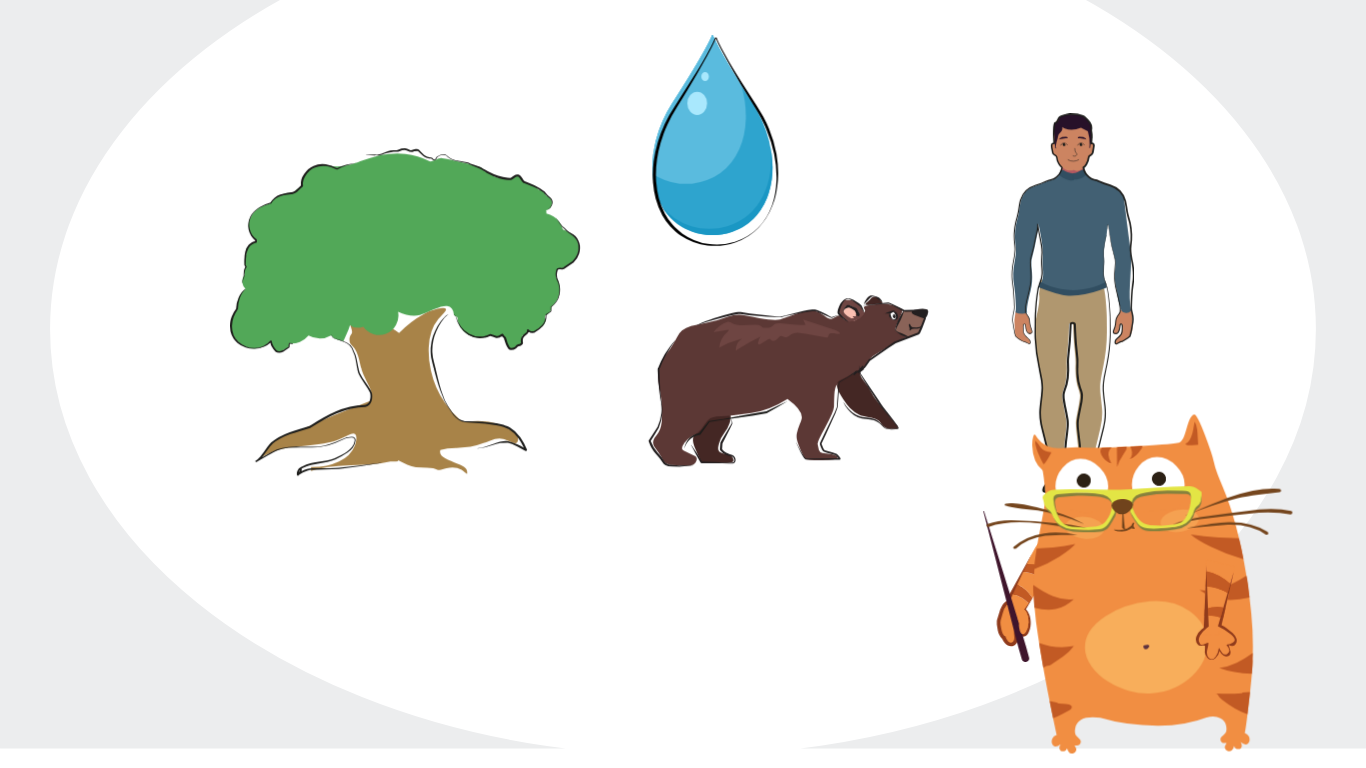
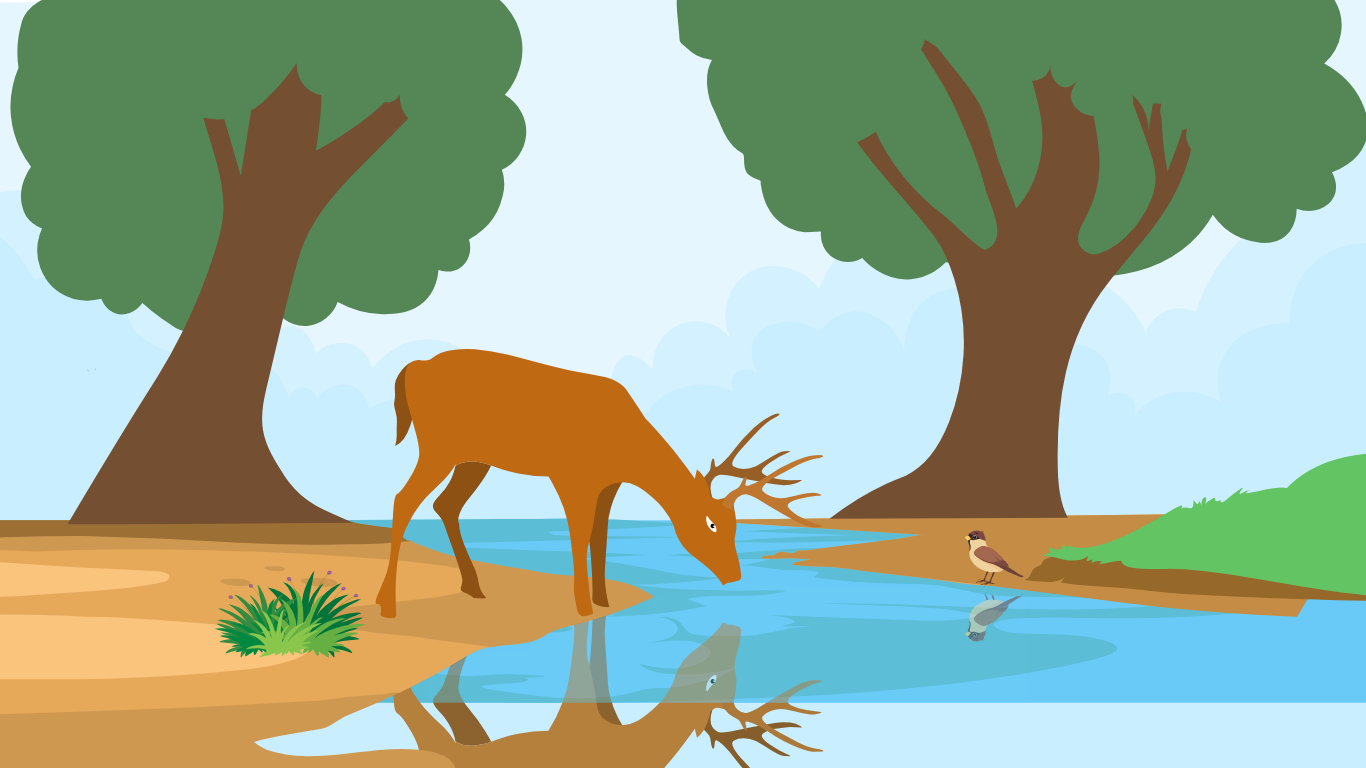
It is needed for life by plants, animals, and people.
Their bodies are made mostly of water.
Animals drink water, and plants take it from the soil.
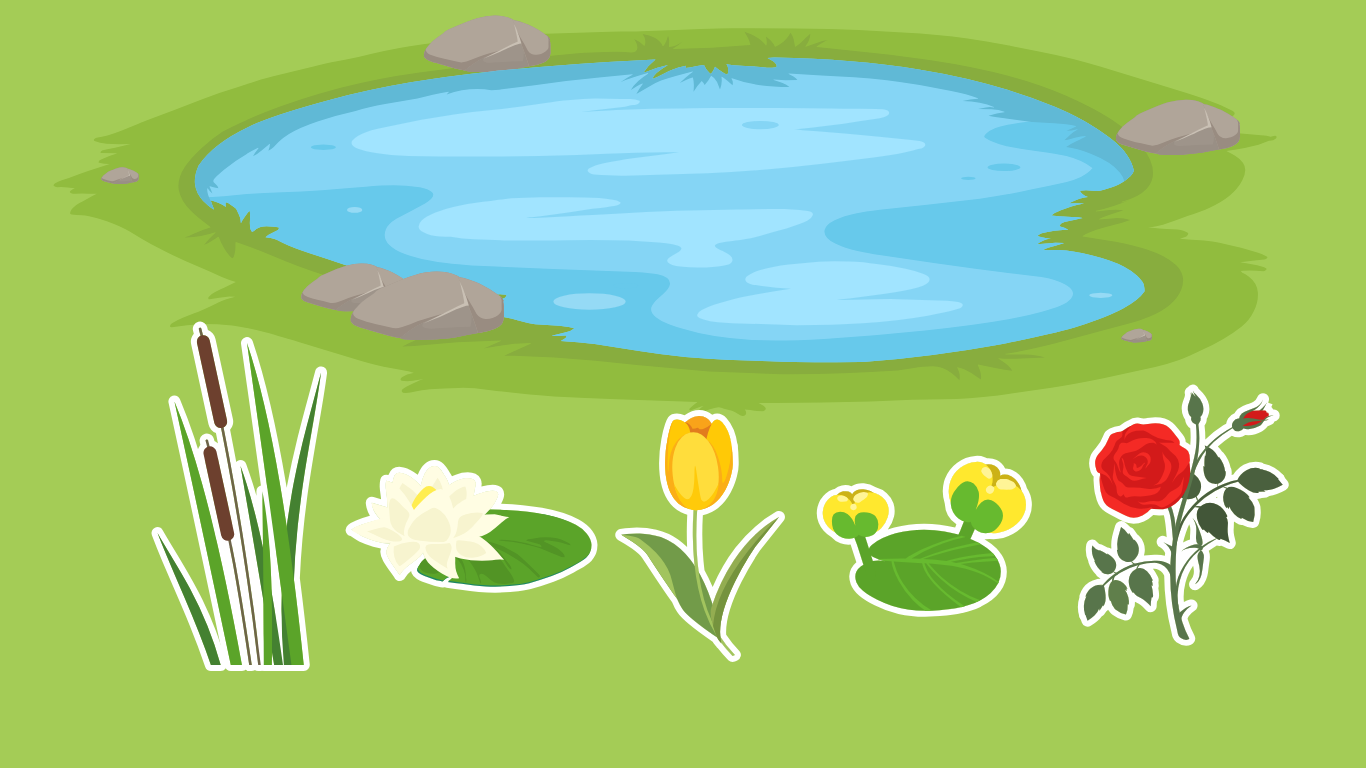
For many animals and plants, water in ponds is home.
People use water to drink and to cook food.
People wash dishes, do laundry, wash themselves, and water plants with water.
Water transport moves on water.
Life without water is impossible!
Save water, use it wisely.
Water is a priceless gift of nature.
It is needed for life by plants, animals, and people.
Their bodies are made mostly of water.
Animals drink water, and plants take it from the soil.
For many animals and plants, water in ponds is home.
People use water to drink and to cook food.
People wash dishes, do laundry, wash themselves, and water plants with water.
Water transport moves on water.
Life without water is impossible!
Save water, use it wisely.
13
Choose the natural objects that take water from the soil.
Choose the natural objects that take water from the soil.
14
Move to the lake the plants for which water is home.
Move to the lake the plants for which water is home.
15
Think, who uses water wisely?
Choose the right child.
Think, who uses water wisely?
Choose the right child.