Theme Tasks catalog
Our Environment
• You will learn what the environment is made of;
• You will think about what you need to do to keep the environment clean;
• You will learn to tell the difference between natural and man-made objects;
• You will practice taking care of a houseplant;
• You will explore the connections between living and non-living nature.
• You will think about what you need to do to keep the environment clean;
• You will learn to tell the difference between natural and man-made objects;
• You will practice taking care of a houseplant;
• You will explore the connections between living and non-living nature.
1
Choose in the word
«природа»
the letter
«А».
Choose in the word
«природа»
the letter
«А».
2
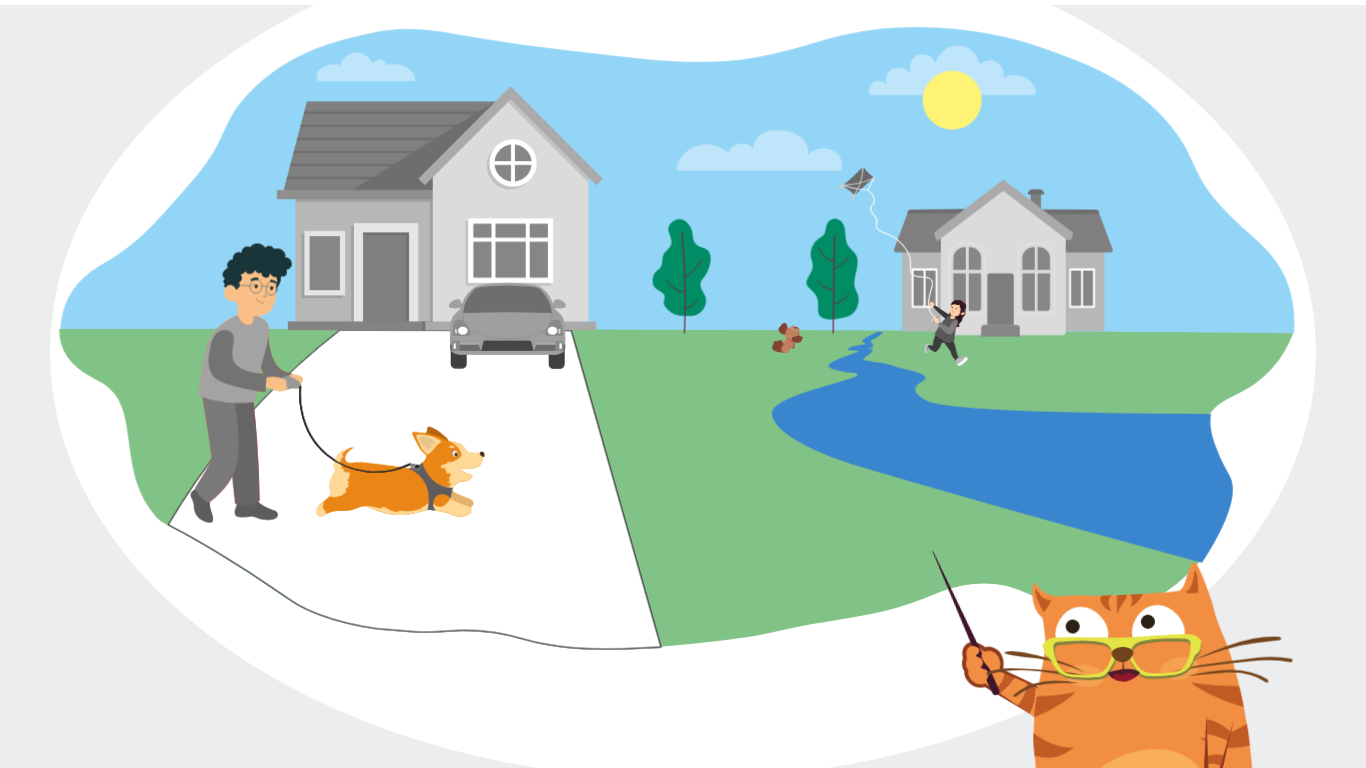
Look around. Everything around you is your world – your environment.
Remember! Everything that makes up the world around you is called objects.
Things made by people: houses, cars, toys and so on are man-made objects.
A river, the sun, clouds, plants, animals are not made by people. These are natural objects.
People also belong to natural objects.
Look around. Everything around you is your world – your environment.
Remember! Everything that makes up the world around you is called objects.
Things made by people: houses, cars, toys and so on are man-made objects.
A river, the sun, clouds, plants, animals are not made by people. These are natural objects.
People also belong to natural objects.
3
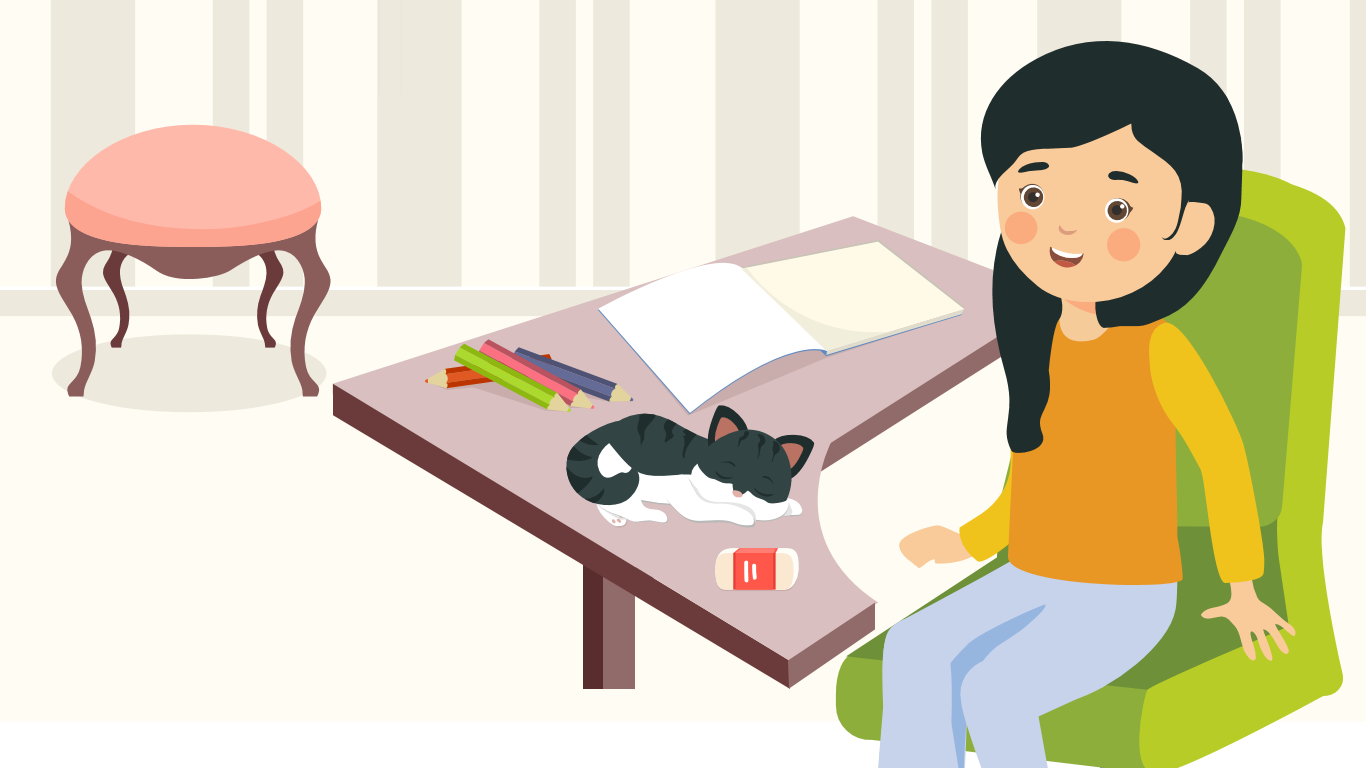
Move the natural object from the table to the chair.
Move the natural object from the table to the chair.
4
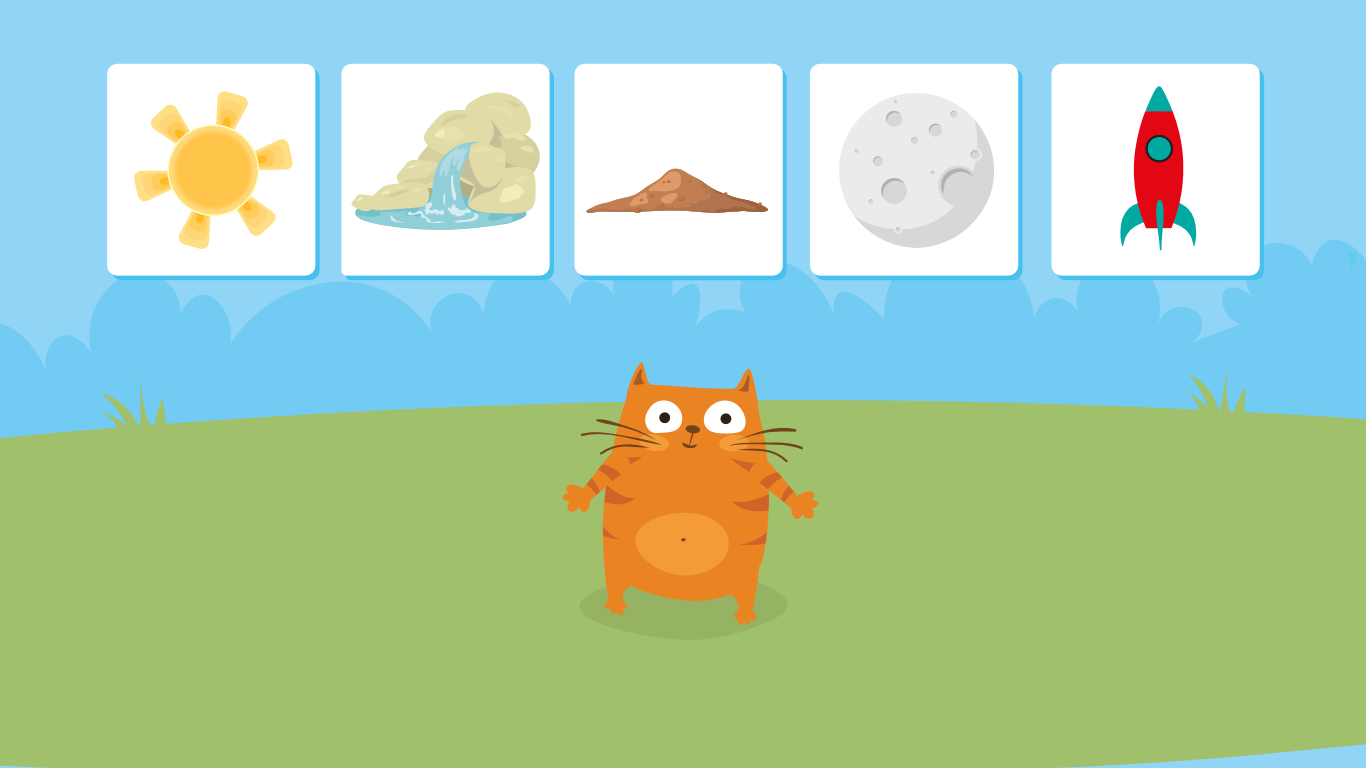
Help Murchyk. Look at the pictures and choose the extra object.
Help Murchyk. Look at the pictures and choose the extra object.
5
Remember! Nature is divided into non-living and living.
Non-living nature includes
stones,
water,
air,
the ground under your feet
and the planet Earth, where we all live,
and also the Sun,
the Moon,
stars.
Remember!
Living nature includes plants, animals, people.
Let's find out together how living nature is different from non-living nature.
Everything that belongs to living nature, for example, a dandelion, is born, feeds, breathes, grows, reproduces and dies.
In non-living nature, such changes do not happen.
For example, a stone is not born, does not feed, does not breathe, does not grow, does not reproduce, does not die.
Even if you break a stone, it still does not stop existing.
Remember! Nature is divided into non-living and living.
Non-living nature includes
stones,
water,
air,
the ground under your feet
and the planet Earth, where we all live,
and also the Sun,
the Moon,
stars.
Remember!
Living nature includes plants, animals, people.
Let's find out together how living nature is different from non-living nature.
Everything that belongs to living nature, for example, a dandelion, is born, feeds, breathes, grows, reproduces and dies.
In non-living nature, such changes do not happen.
For example, a stone is not born, does not feed, does not breathe, does not grow, does not reproduce, does not die.
Even if you break a stone, it still does not stop existing.
6
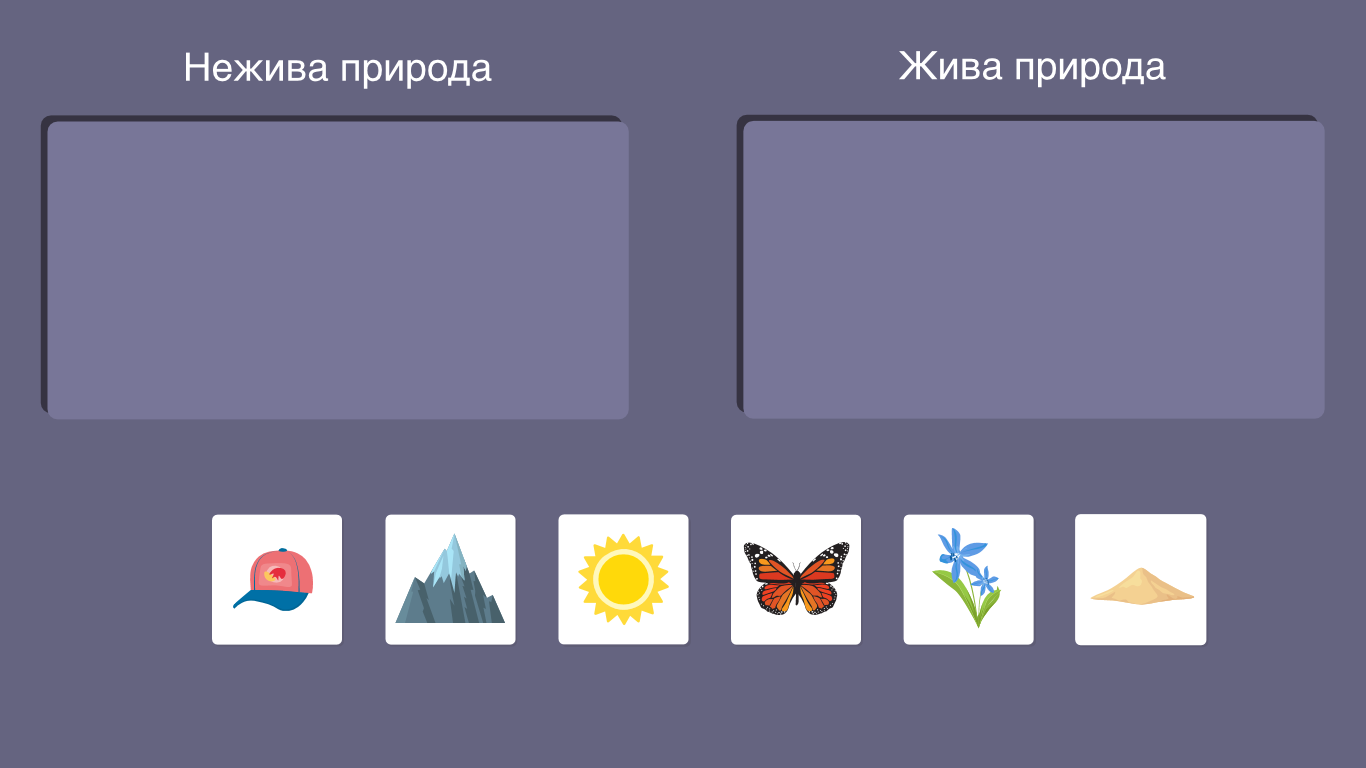
Help Yulia do the task.
Move the non-living nature objects to the left, and the living nature objects to the right.
Help Yulia do the task.
Move the non-living nature objects to the left, and the living nature objects to the right.
7
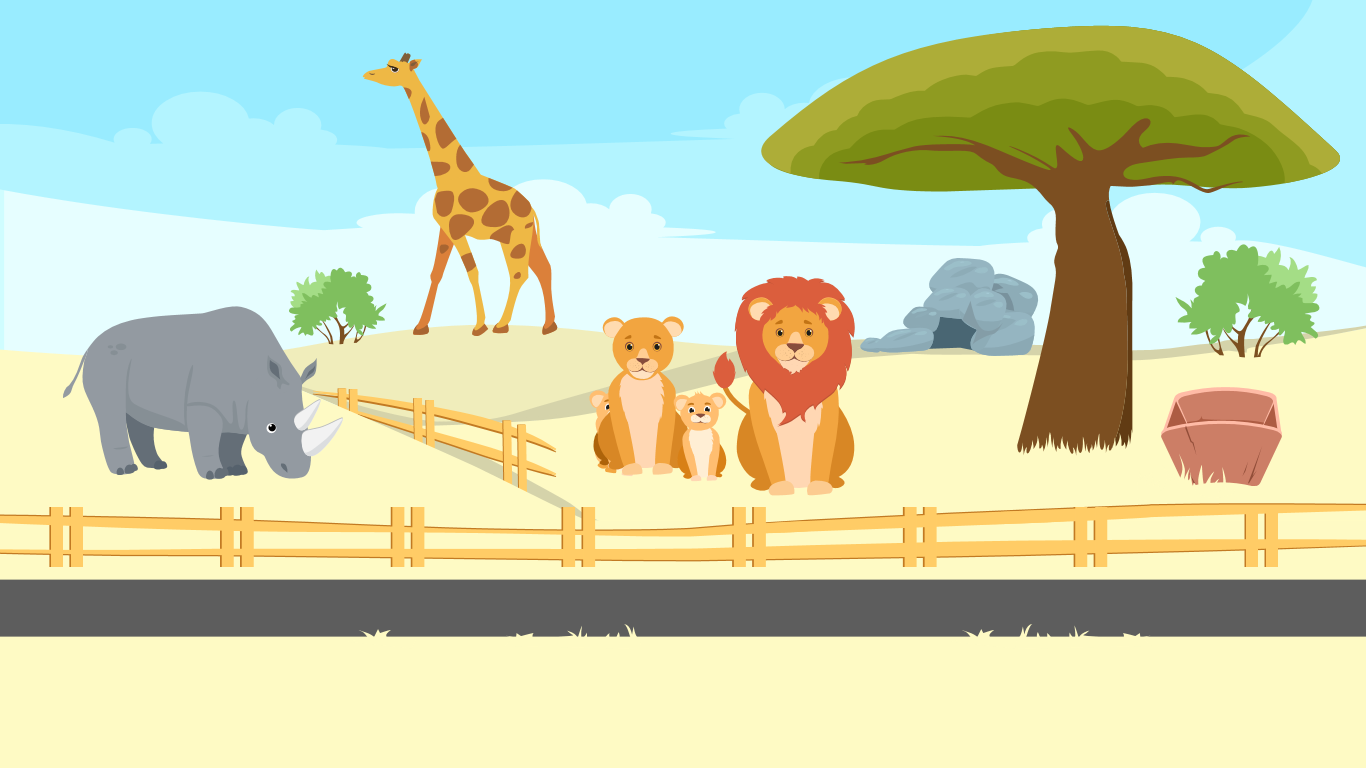
Choose the living nature objects.
Choose the living nature objects.
8
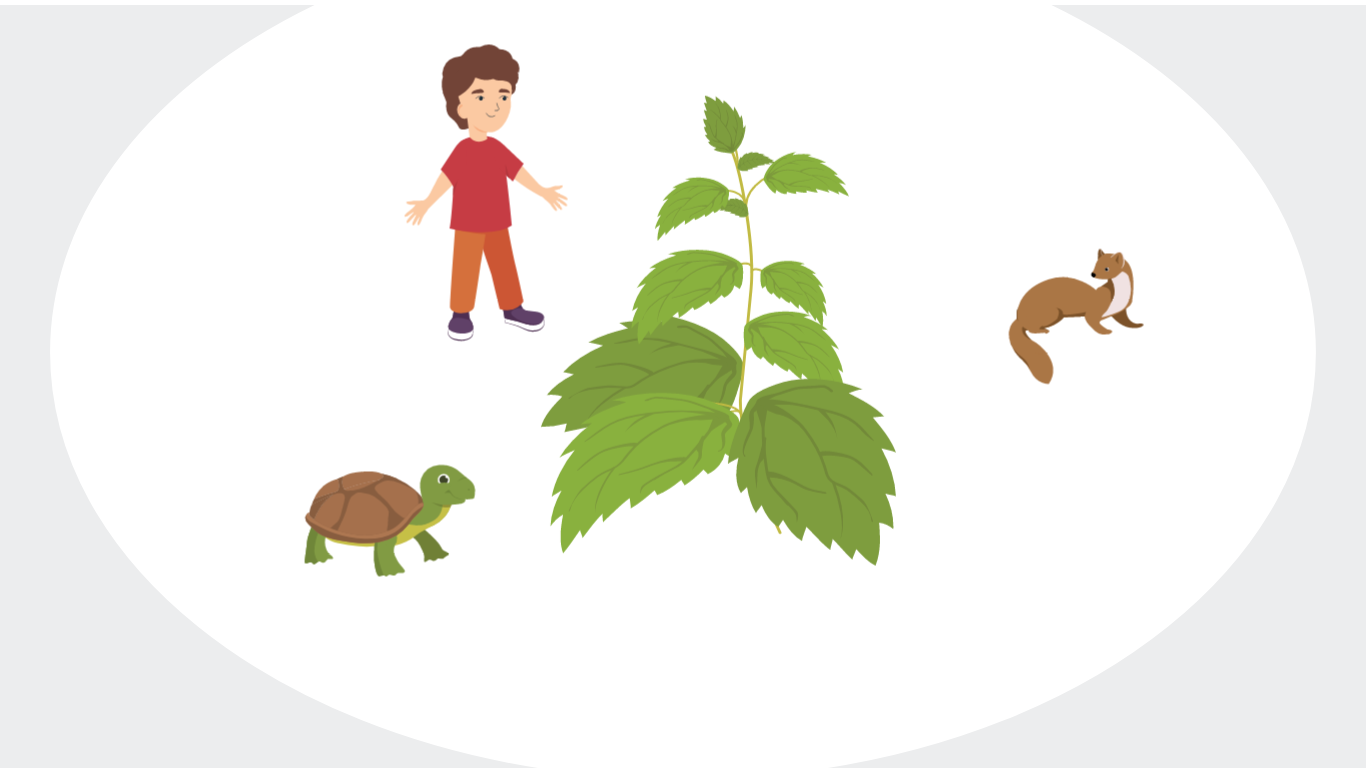
Living and non-living nature objects are connected.
Plants, animals and people depend on non-living nature,
because they need air, water, light and warmth from the Sun to live.
Living nature also affects non-living nature.
For example, plants clean the air and fill it with oxygen,
which animals and people breathe.
And the remains of plants, for example, fallen leaves,
after dying, make the soil richer with nutrients.
Living and non-living nature objects are connected.
Plants, animals and people depend on non-living nature,
because they need air, water, light and warmth from the Sun to live.
Living nature also affects non-living nature.
For example, plants clean the air and fill it with oxygen,
which animals and people breathe.
And the remains of plants, for example, fallen leaves,
after dying, make the soil richer with nutrients.
9
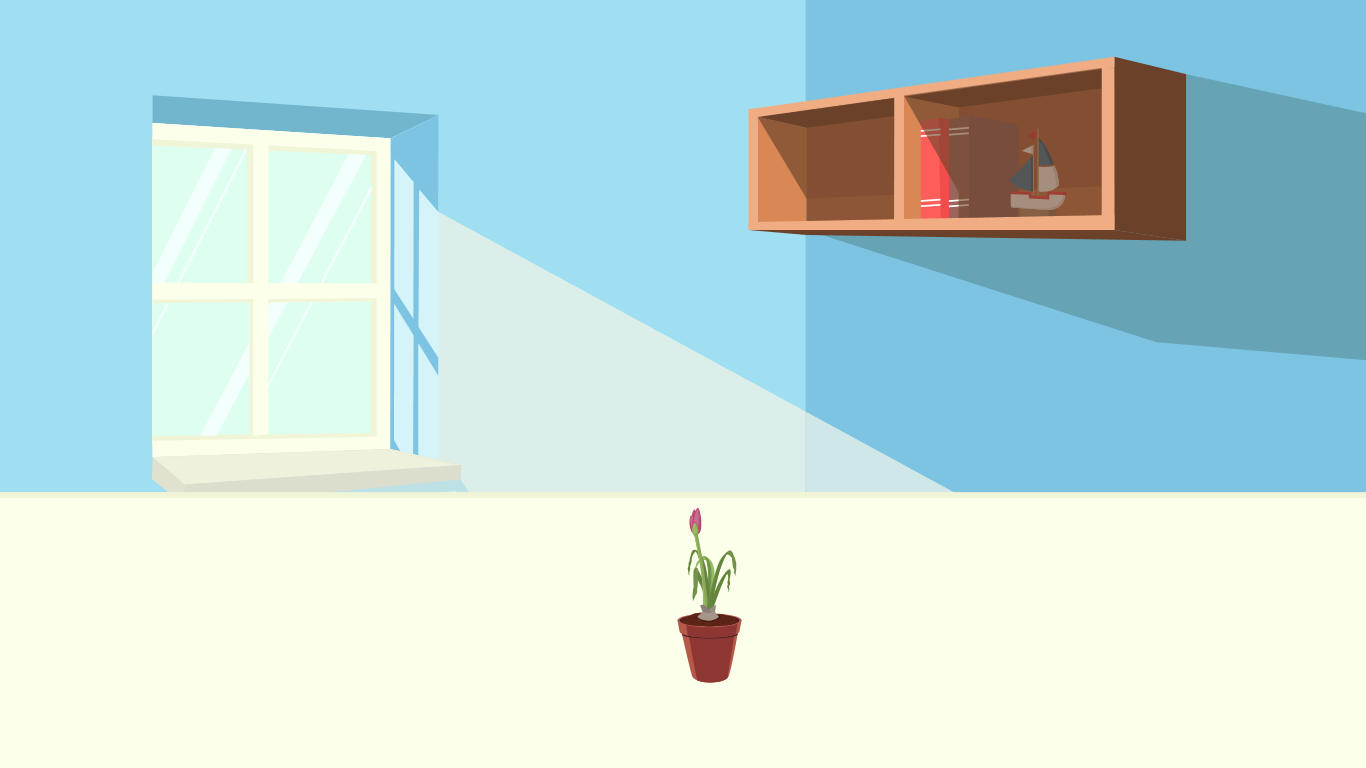
Think about what a houseplant needs to grow.
Move it to the right place.
Think about what a houseplant needs to grow.
Move it to the right place.
10
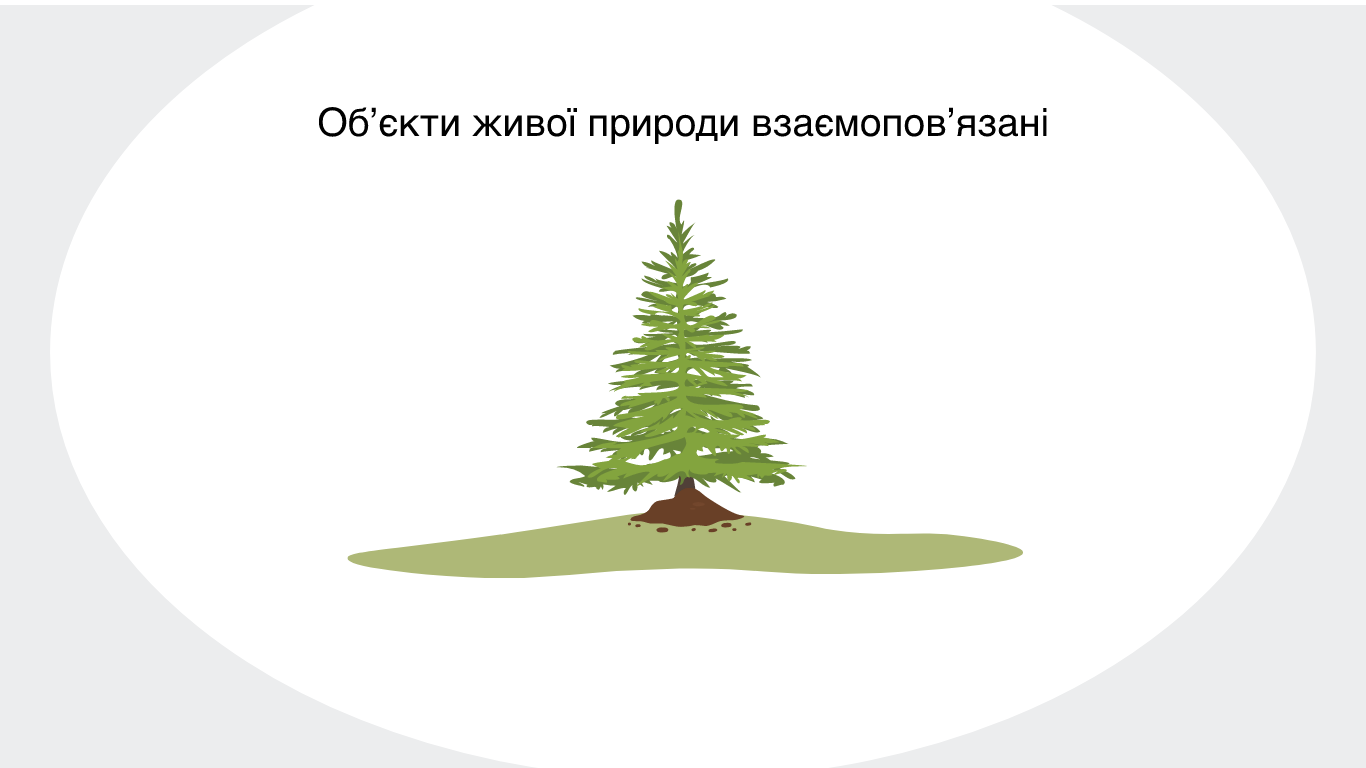
Living nature objects are connected.
Animals feed on plants, their fruits and seeds.
For many animals, plants have become homes.
And plants spread in nature with the help of different animals.
Living nature objects are connected.
Animals feed on plants, their fruits and seeds.
For many animals, plants have become homes.
And plants spread in nature with the help of different animals.
11
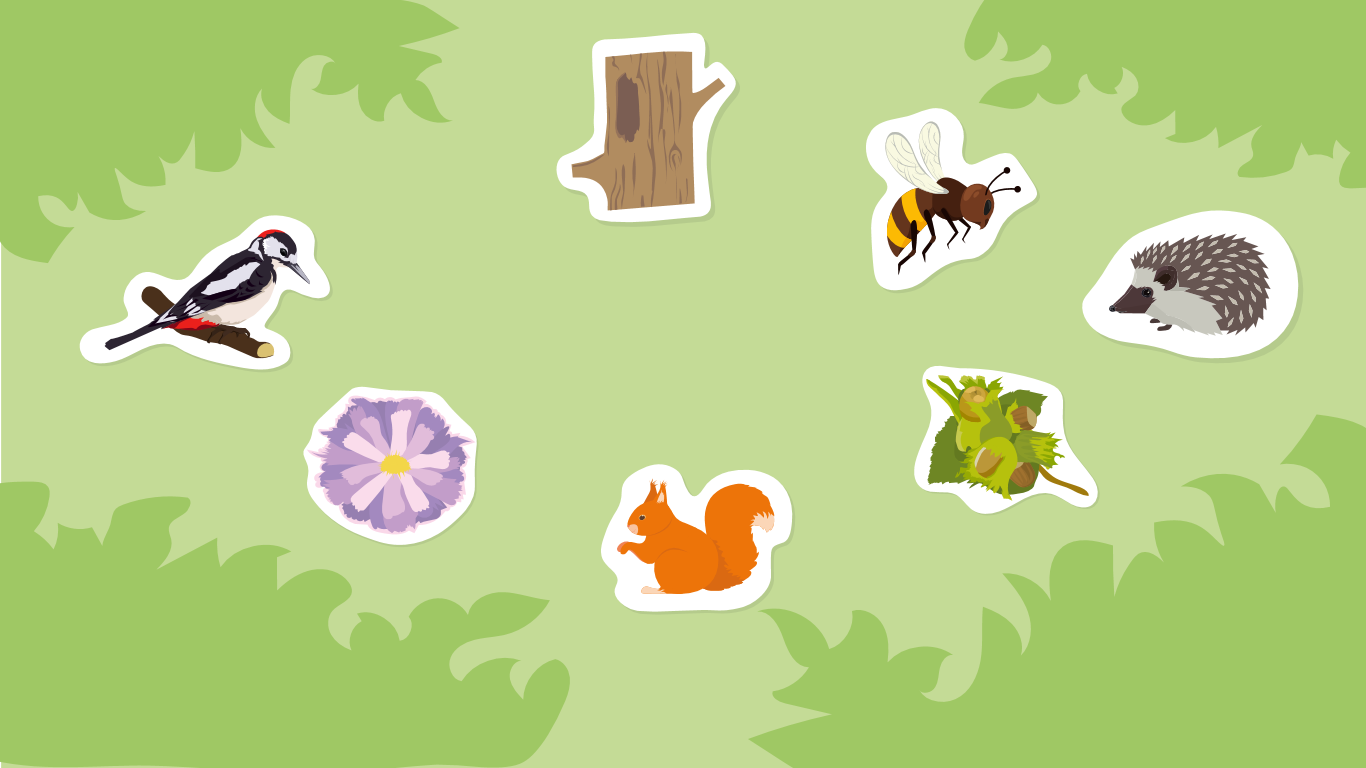
Think, with which plant is each animal connected?
First choose the animal, then the right plant.
Think, with which plant is each animal connected?
First choose the animal, then the right plant.
12
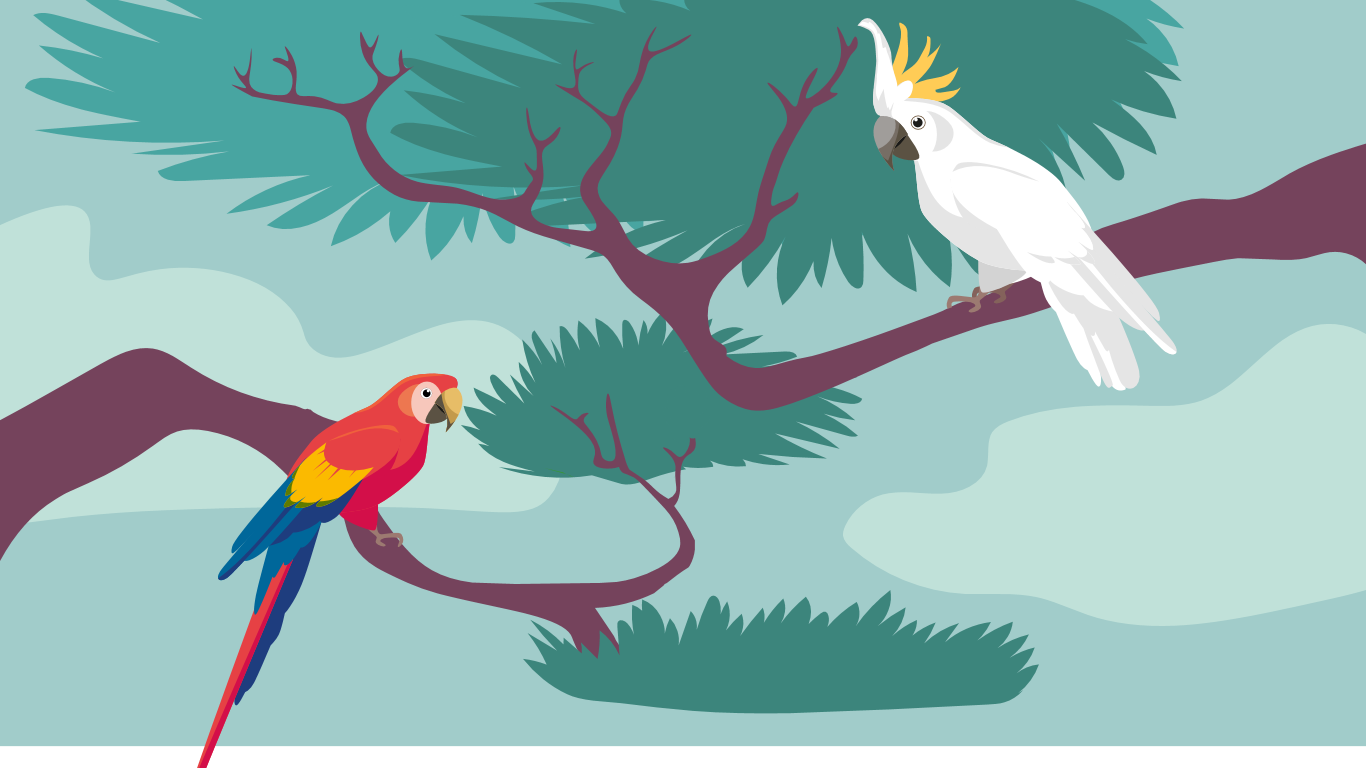
Look at the picture. Choose the bird that is lower.
Look at the picture. Choose the bird that is lower.
13
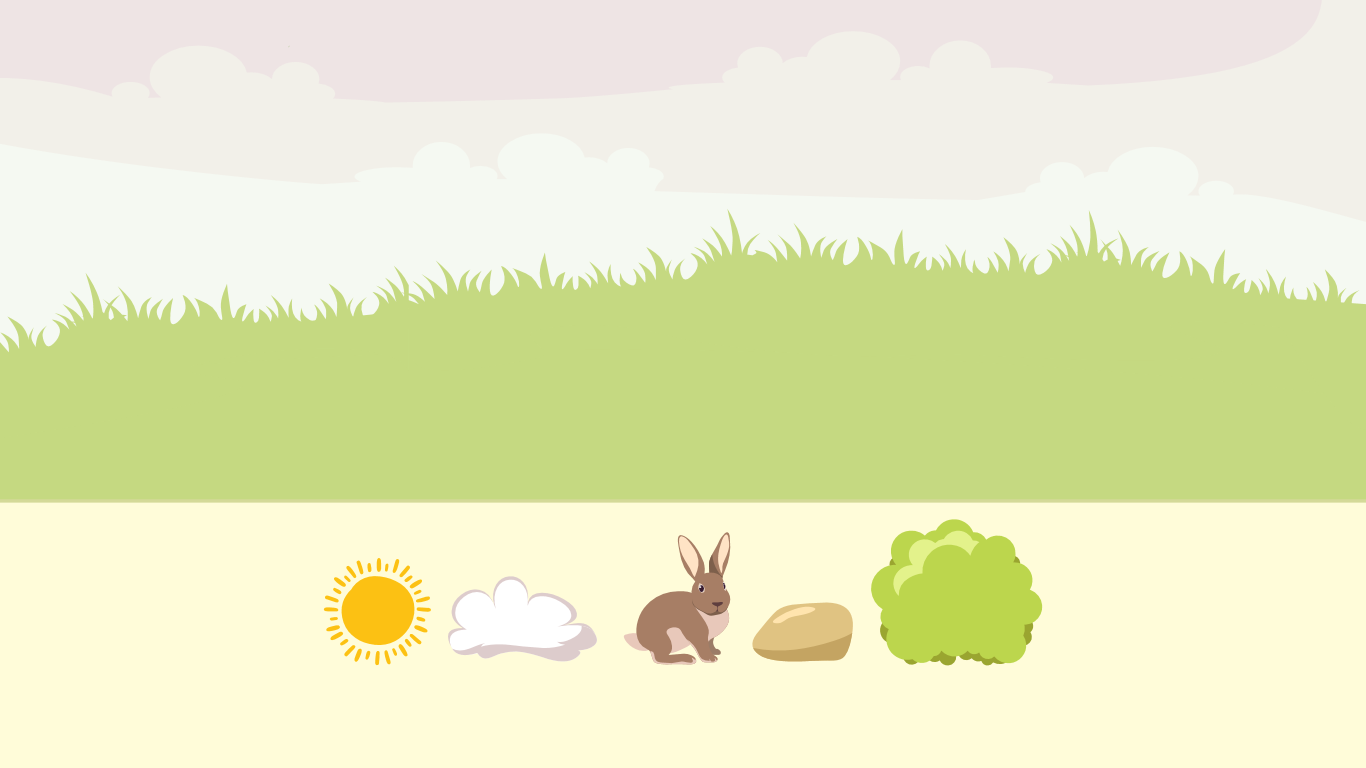
Move the non-living nature objects to the picture.
Move the non-living nature objects to the picture.
14
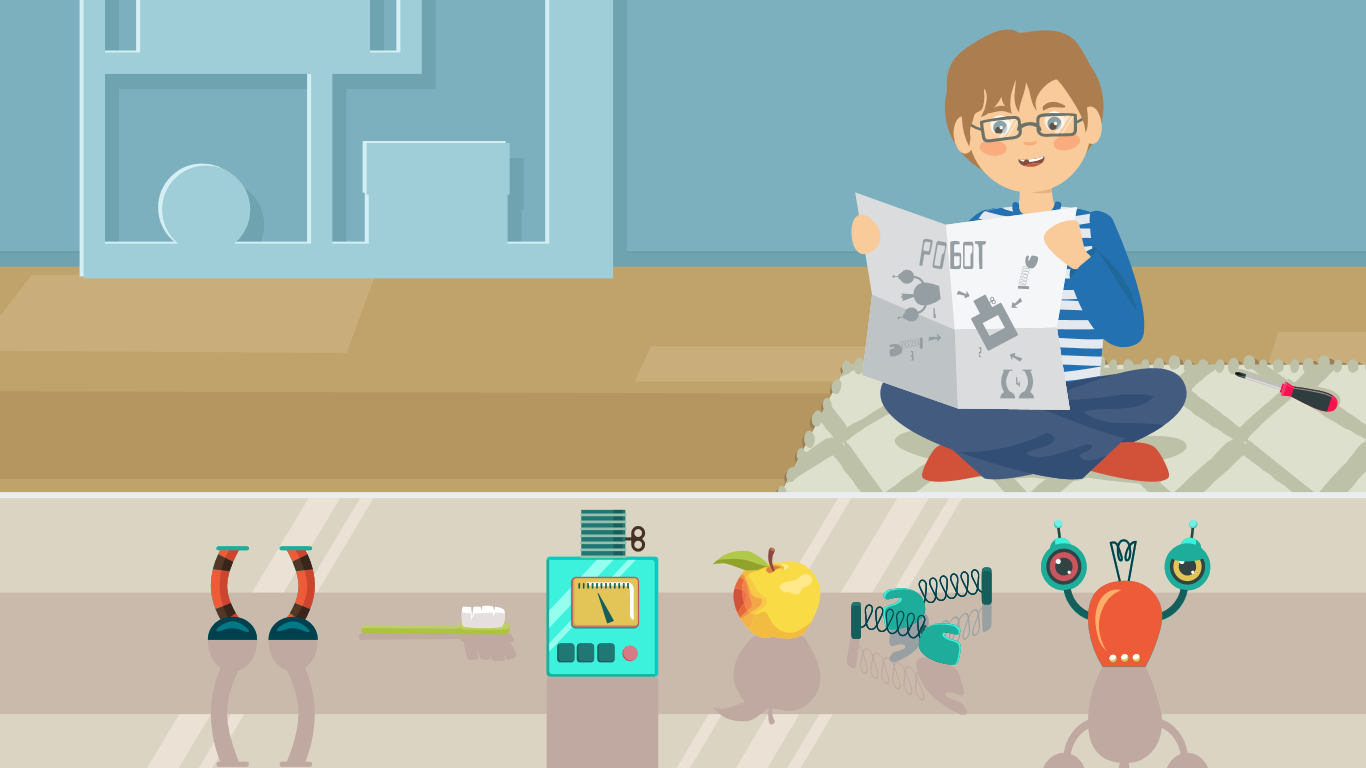
Help Maksym build the robot.
Choose the right parts.
Help Maksym build the robot.
Choose the right parts.
15
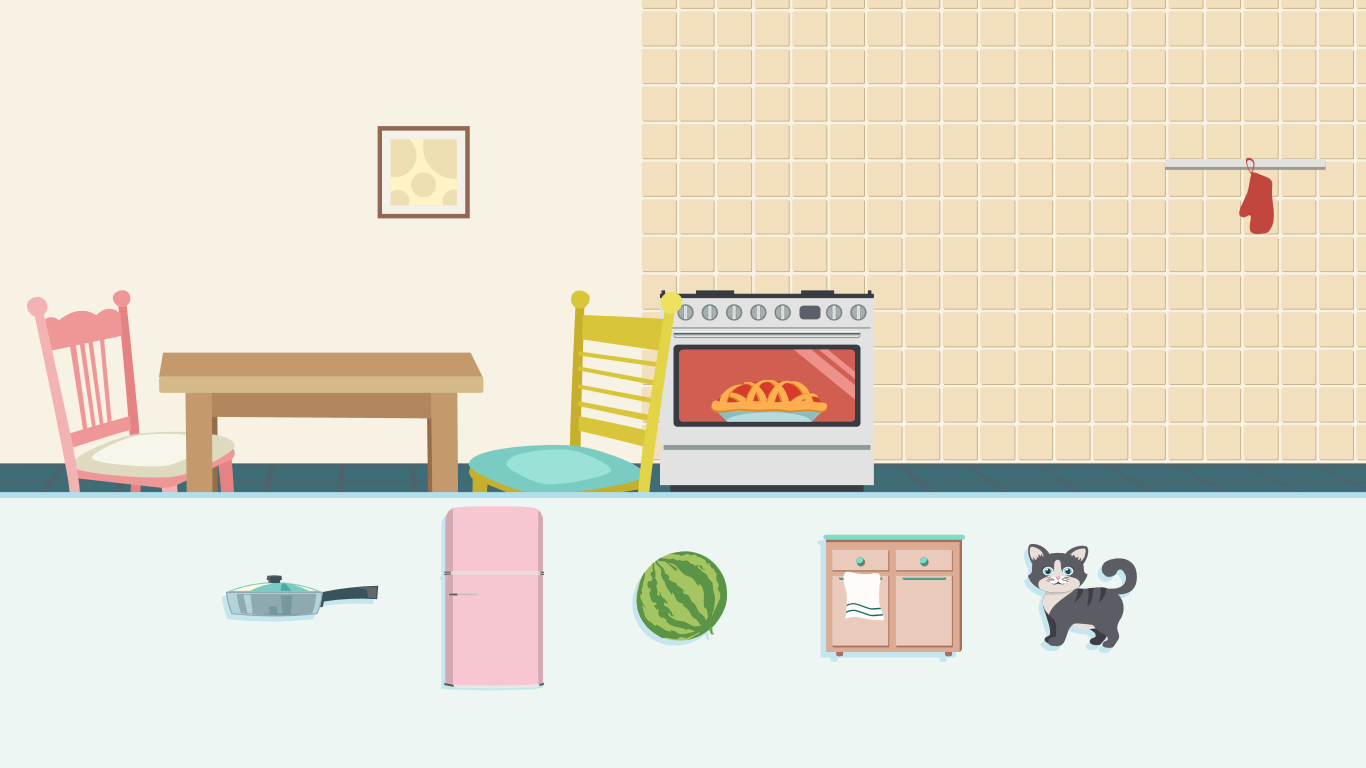
Arrange the kitchen.
Move the right man-made objects.
Arrange the kitchen.
Move the right man-made objects.
16
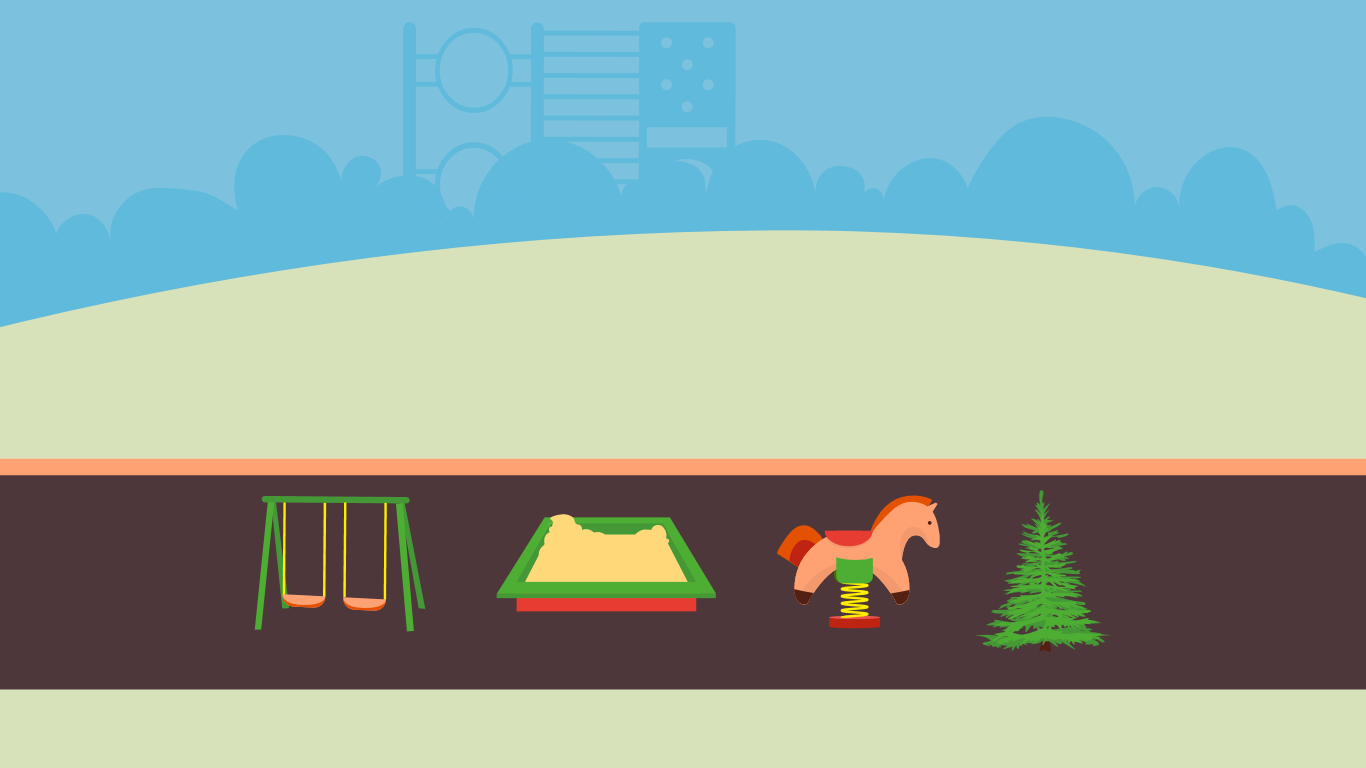
Arrange the playground. Move the right man-made objects.
Arrange the playground. Move the right man-made objects.
17
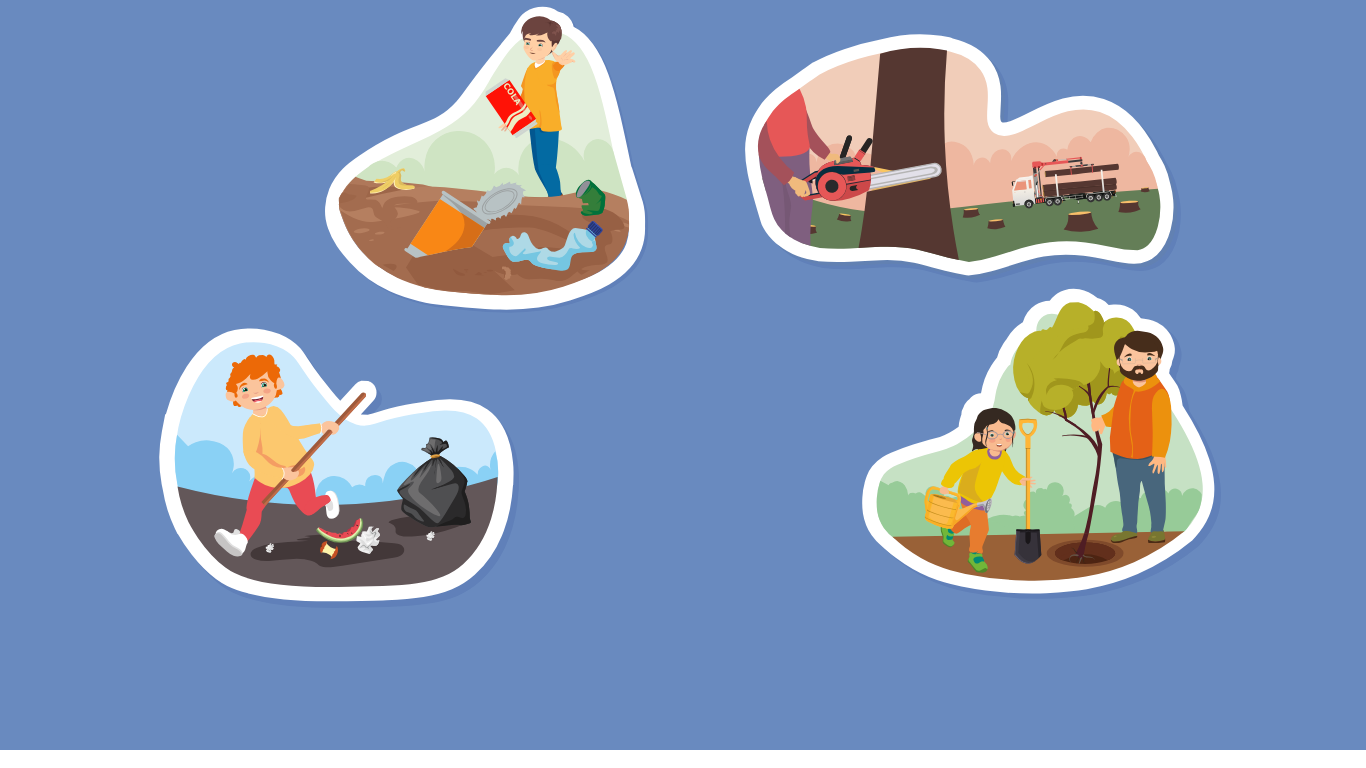
It is so nice to walk in the forest, breathe fresh air and listen to the birds singing.
But look, what is this?
Trees are cut down, there is trash lying around.
Remember! Every person must take care of the environment.
To do this, you need to plant trees where they were cut down.
Do not litter and do not pollute ponds.
If possible, use transport that does not harm nature.
It is so nice to walk in the forest, breathe fresh air and listen to the birds singing.
But look, what is this?
Trees are cut down, there is trash lying around.
Remember! Every person must take care of the environment.
To do this, you need to plant trees where they were cut down.
Do not litter and do not pollute ponds.
If possible, use transport that does not harm nature.
18
Think, who takes care of the environment?
Choose the right pictures.
Think, who takes care of the environment?
Choose the right pictures.