Theme Tasks catalog
Sense organs. Tools for exploring the environment
• You will learn which sense organs help you find your way in the environment;
• You will learn the rules for taking care of your sense organs;
• You will learn to use special tools to explore the environment;
• You will practice choosing tools according to the object you are studying;
• You will learn to compare objects by color;
• You will try to fix traffic lights.
• You will learn the rules for taking care of your sense organs;
• You will learn to use special tools to explore the environment;
• You will practice choosing tools according to the object you are studying;
• You will learn to compare objects by color;
• You will try to fix traffic lights.
1
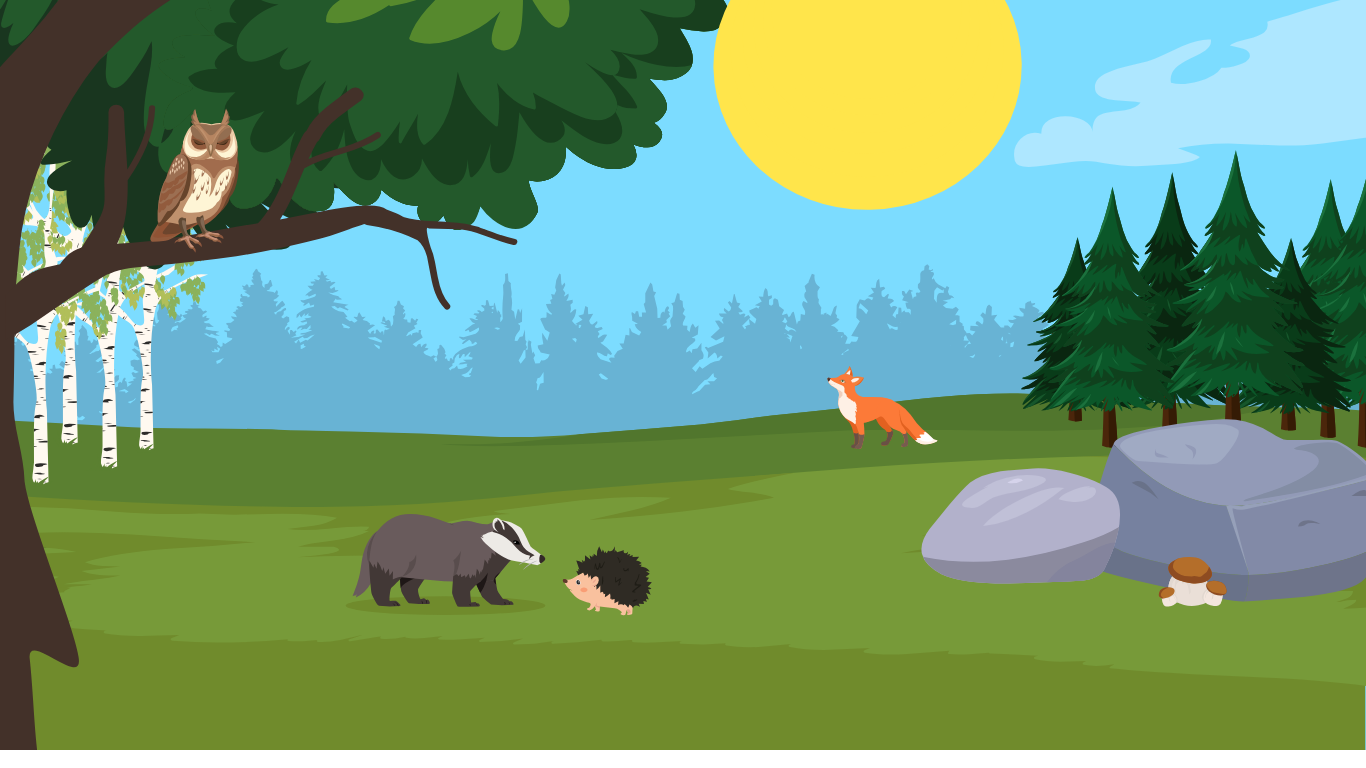
Choose a non-living object that gives off light.
Choose a non-living object that gives off light.
2
To learn about the environment, you have helpers.
These are sense organs.
Eyes are the organ of sight.
With your eyes, you can tell the color of things.
Their size and shape.
You find out if they are near or far.
If they move or stay in one place.
Ears are the organ of hearing.
With your ears, you hear all the sounds in the world.
This is people's speech,
music,
animal voices,
the sound of the sea.
Skin is the organ of touch.
It is the biggest sense organ in a person.
With your skin, you can tell what things feel like.
Are they warm or cold?
Are they smooth or prickly?
To learn about the environment, you have helpers.
These are sense organs.
Eyes are the organ of sight.
With your eyes, you can tell the color of things.
Their size and shape.
You find out if they are near or far.
If they move or stay in one place.
Ears are the organ of hearing.
With your ears, you hear all the sounds in the world.
This is people's speech,
music,
animal voices,
the sound of the sea.
Skin is the organ of touch.
It is the biggest sense organ in a person.
With your skin, you can tell what things feel like.
Are they warm or cold?
Are they smooth or prickly?
3
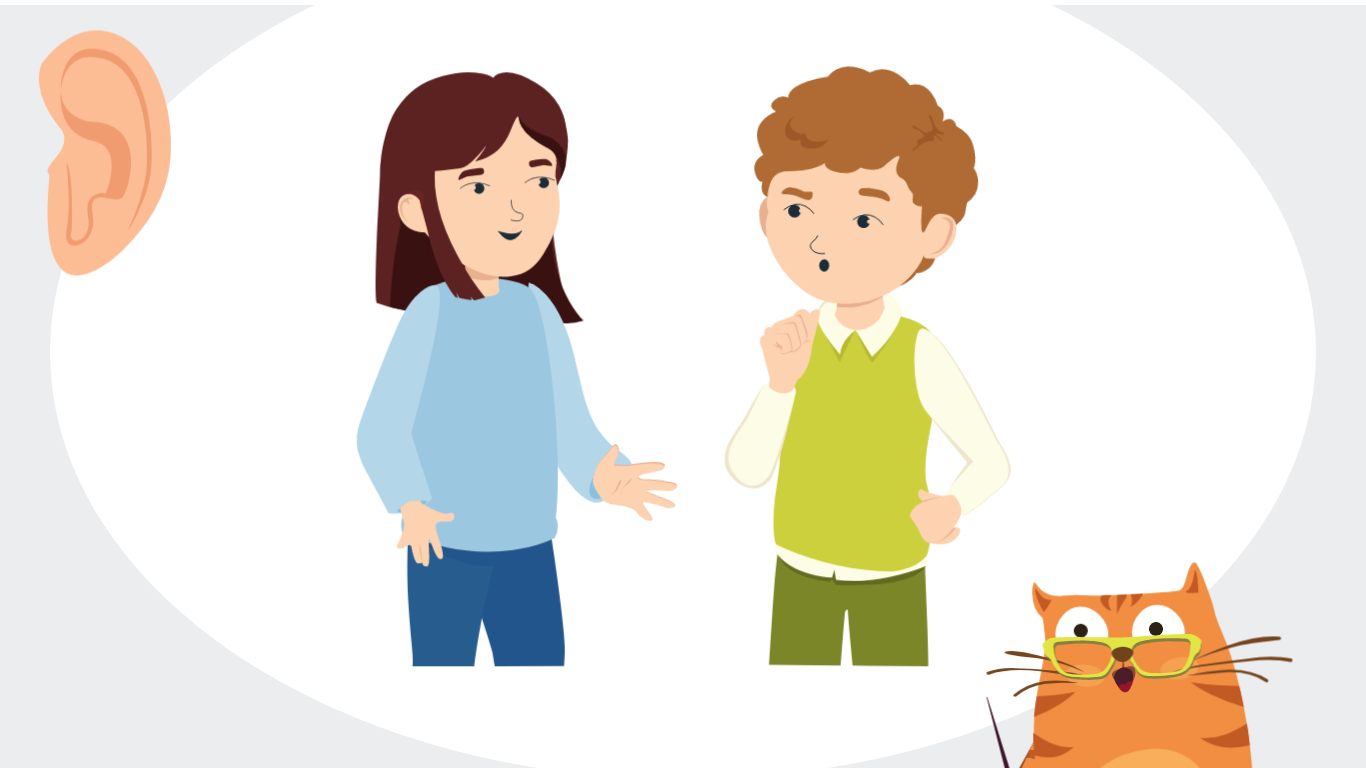
Move up the geometric shapes that are the same color.
And you will see magic changes.
Move up the geometric shapes that are the same color.
And you will see magic changes.
4
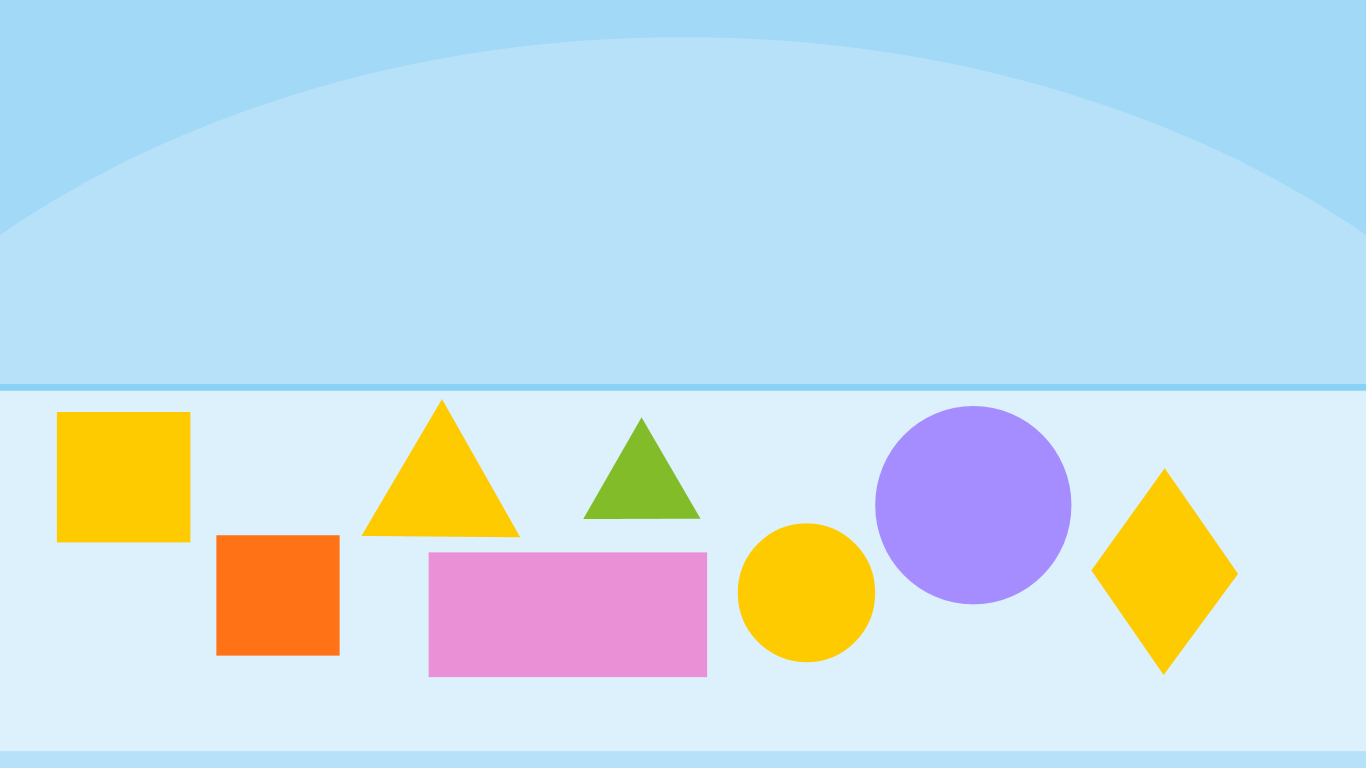
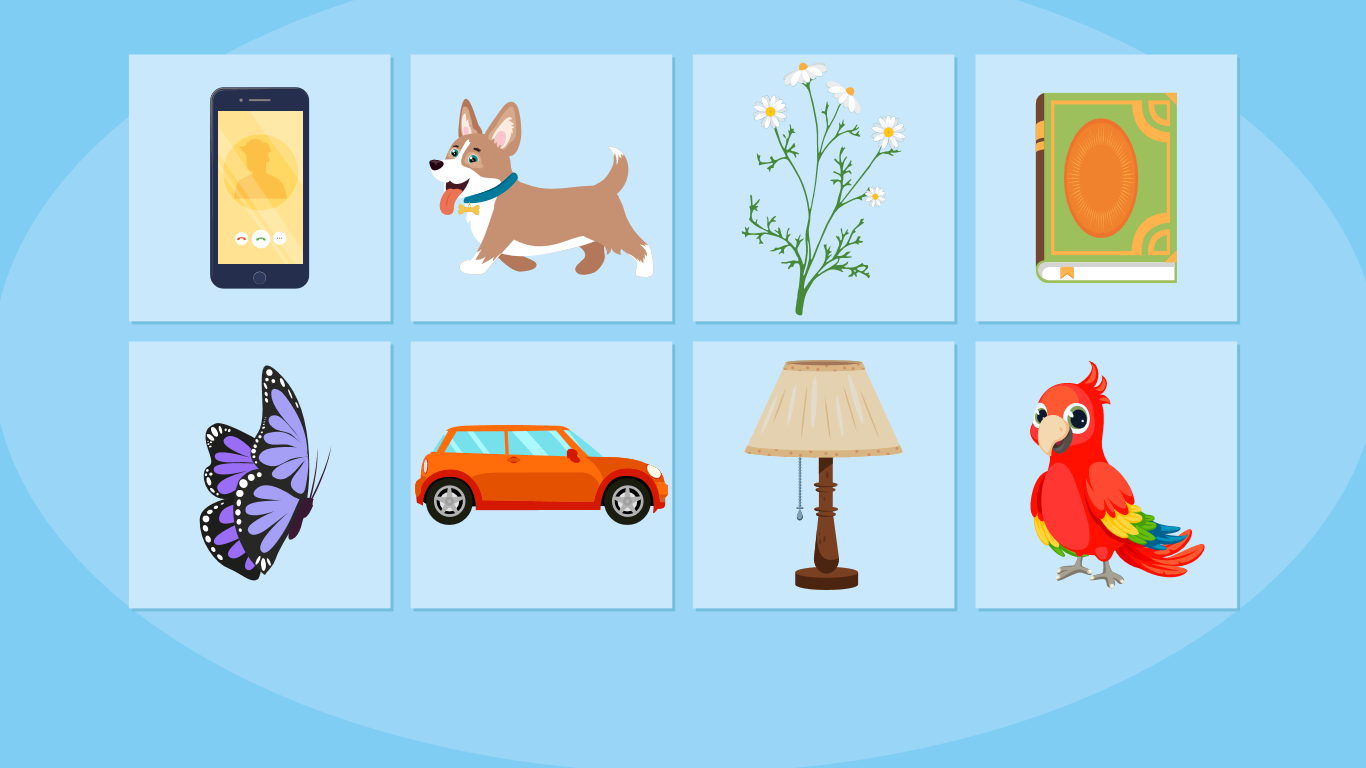
Choose objects whose sound can be heard by a human ear.
Choose objects whose sound can be heard by a human ear.
5
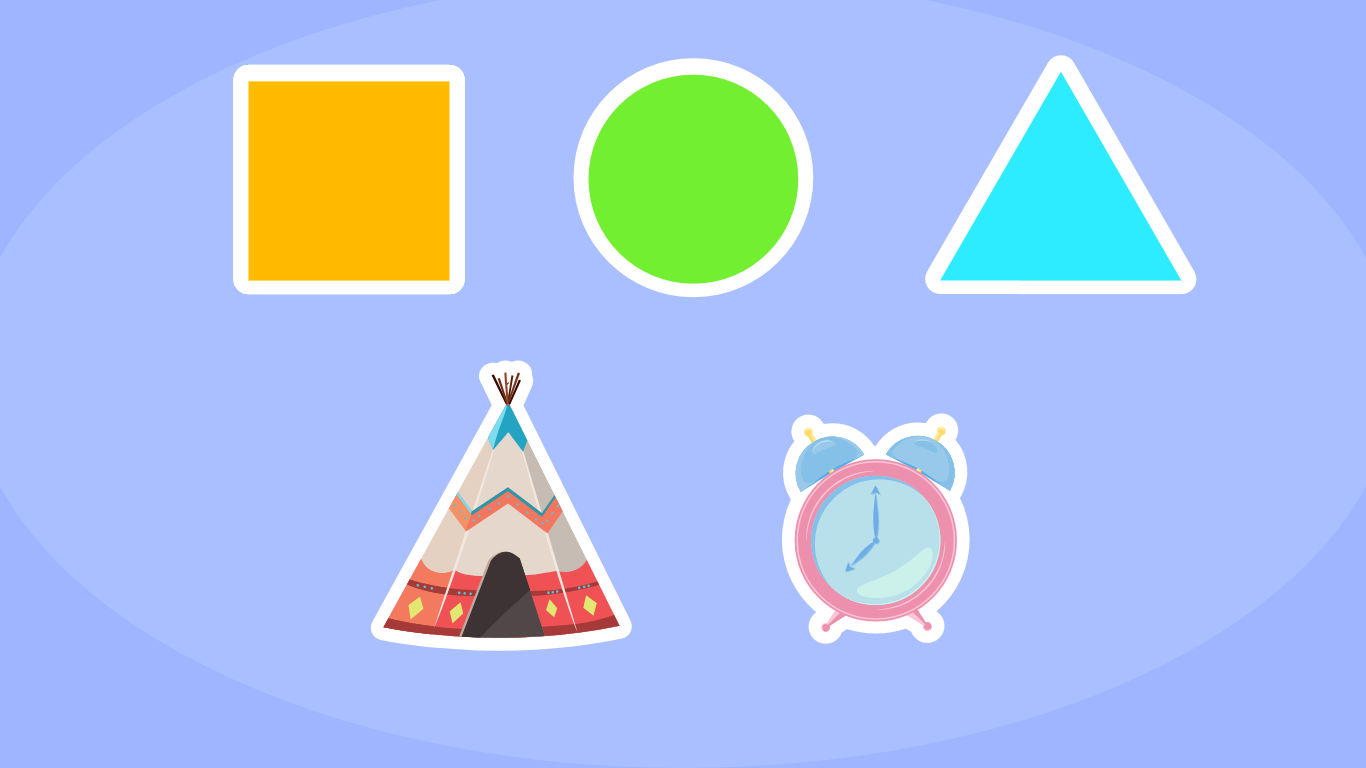
First choose an object, then the geometric shape it looks like.
First choose an object, then the geometric shape it looks like.
6
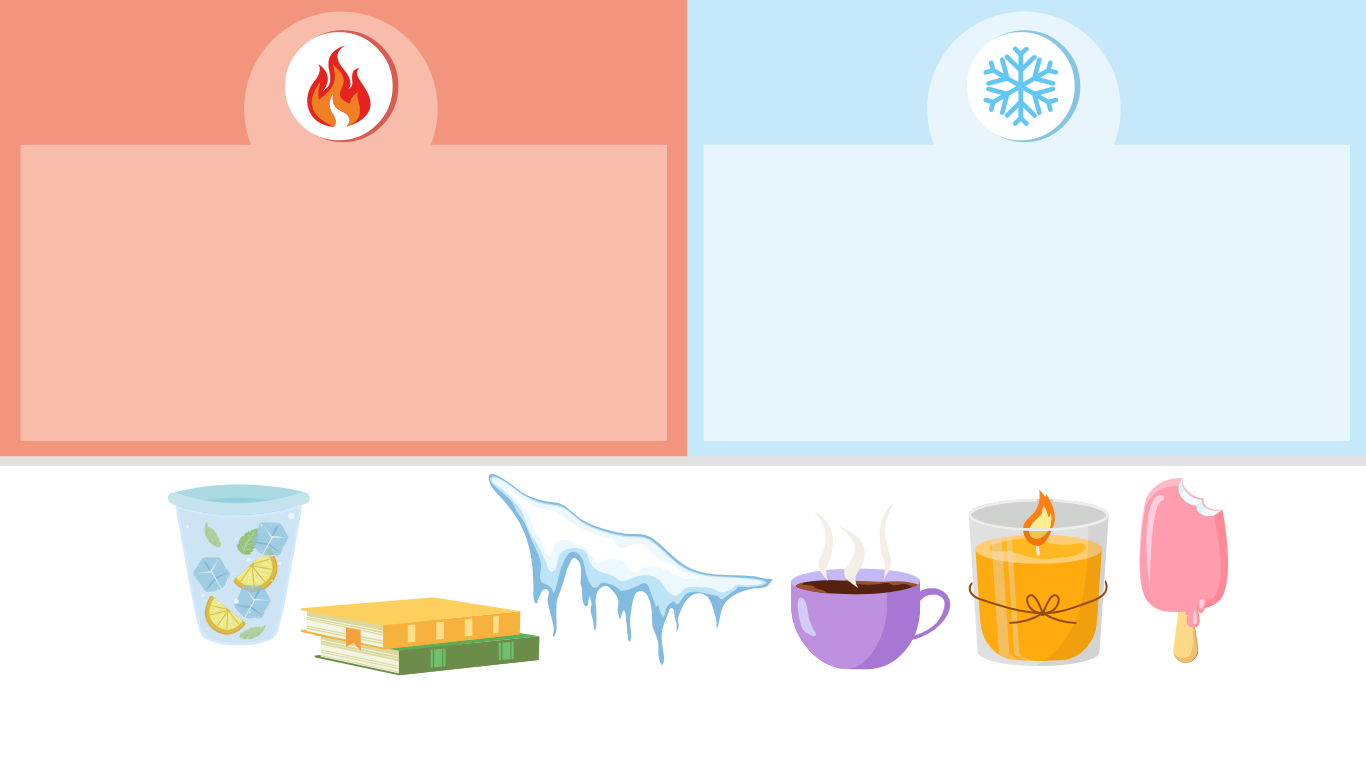
Think, what feels warm and what feels cold?
Move the pictures to the right signs.
Think, what feels warm and what feels cold?
Move the pictures to the right signs.
7
You already know there are organs of sight, hearing, and touch.
Besides them, there are other sense organs:
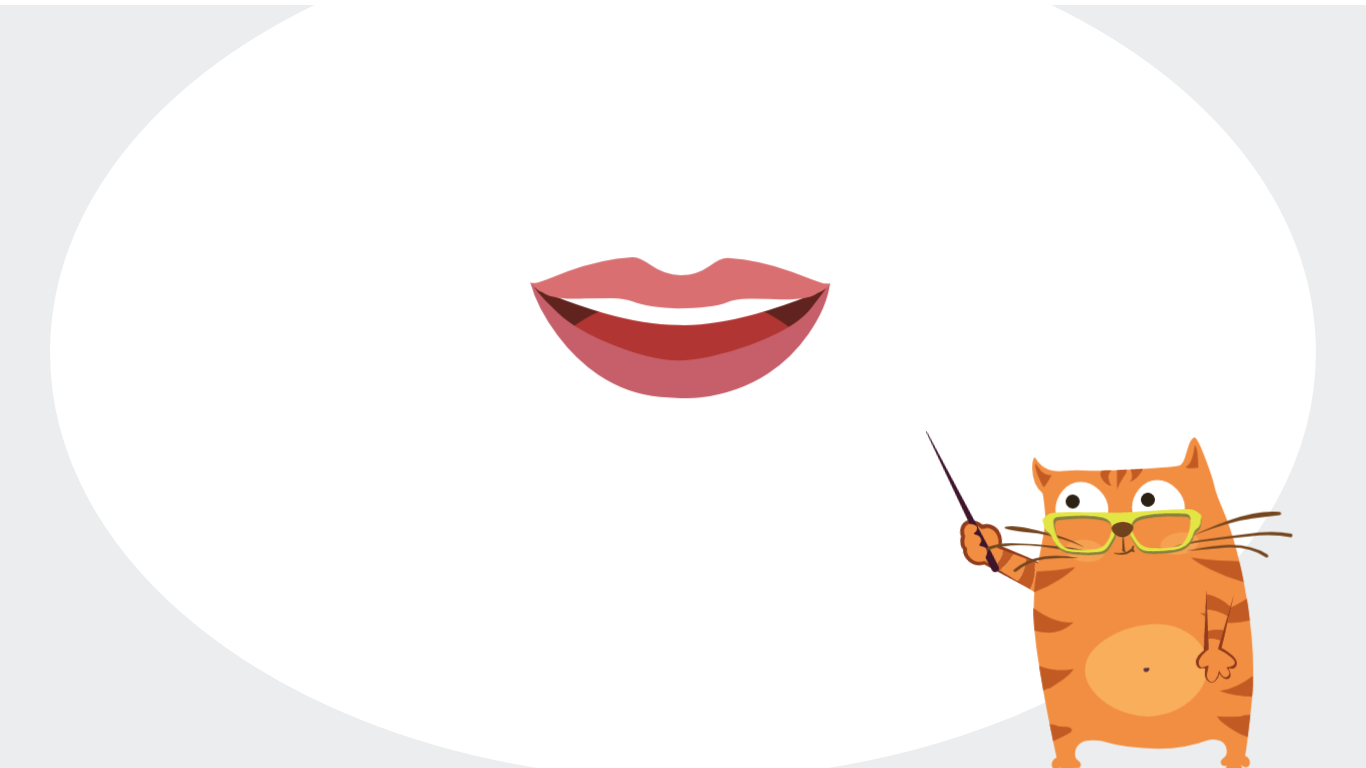
The nose is the organ of smell.
It helps you tell different smells.
And they can be nice
or not nice.
It is known that nice smells make people feel happy.
The tongue is the organ of taste.
It helps you feel the taste of food.
People can tell these tastes –
sour,
salty,
sweet
and bitter.
You already know there are organs of sight, hearing, and touch.
Besides them, there are other sense organs:
The nose is the organ of smell.
It helps you tell different smells.
And they can be nice
or not nice.
It is known that nice smells make people feel happy.
The tongue is the organ of taste.
It helps you feel the taste of food.
People can tell these tastes –
sour,
salty,
sweet
and bitter.
8
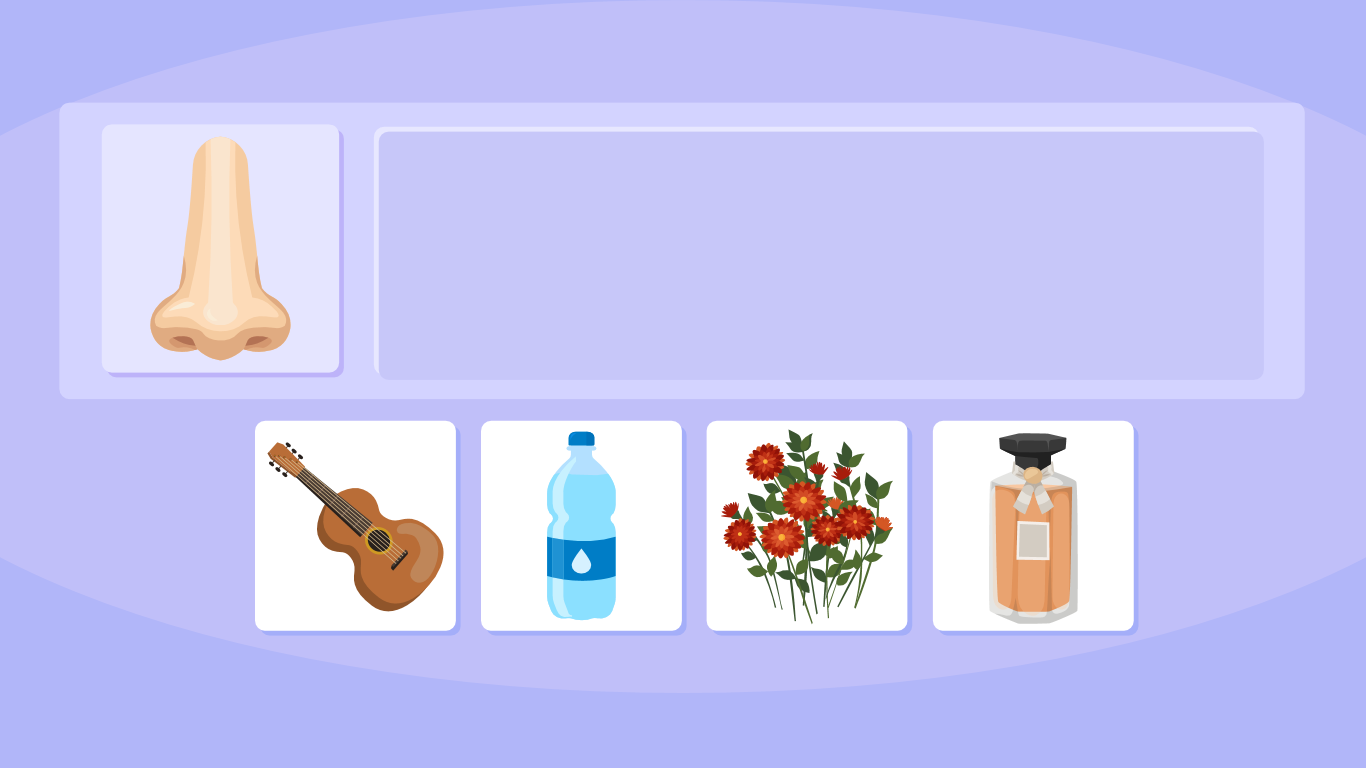
Move the cards with pictures of things you can smell.
Move the cards with pictures of things you can smell.
9
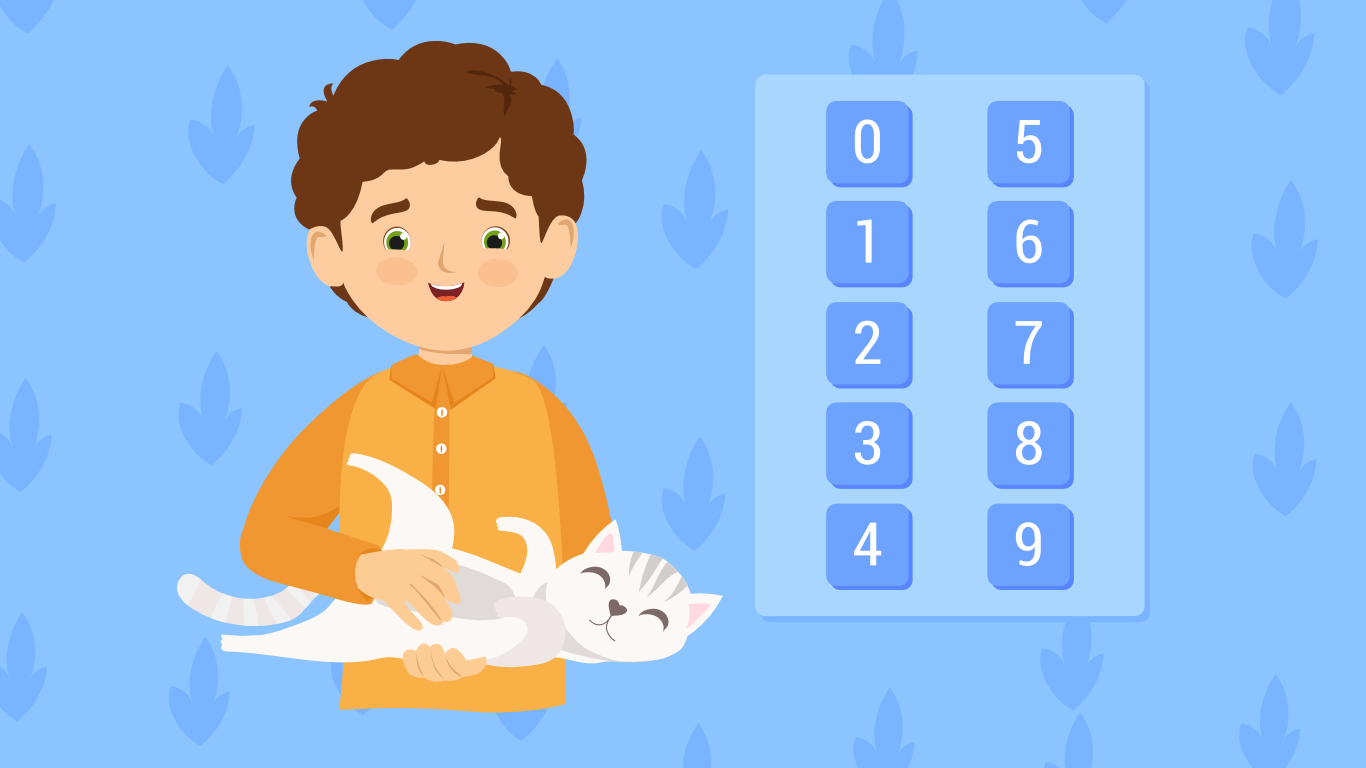
Remember, how many sense organs does a person have?
Choose the right number.
Remember, how many sense organs does a person have?
Choose the right number.
10
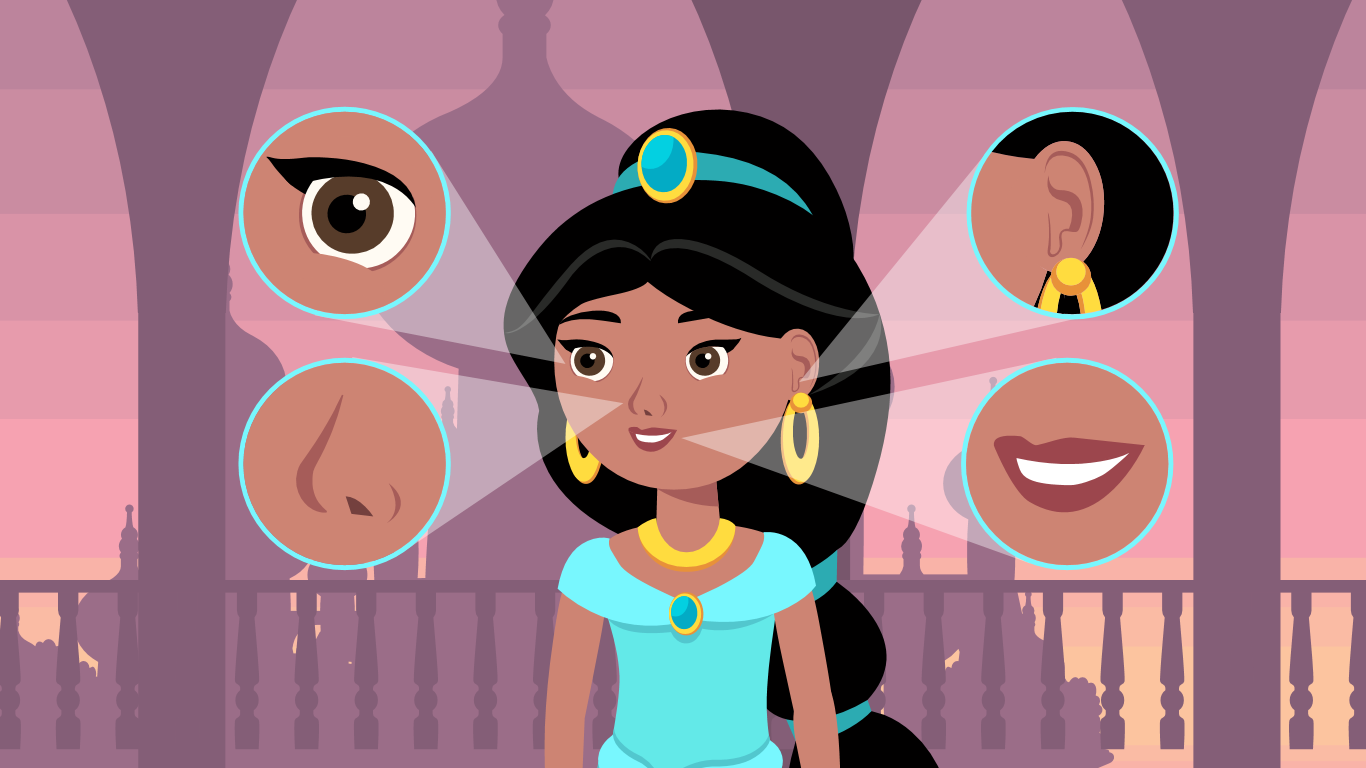
Choose the sense organ Jasmine can use to hear a bird singing.
Choose the sense organ Jasmine can use to hear a bird singing.
11
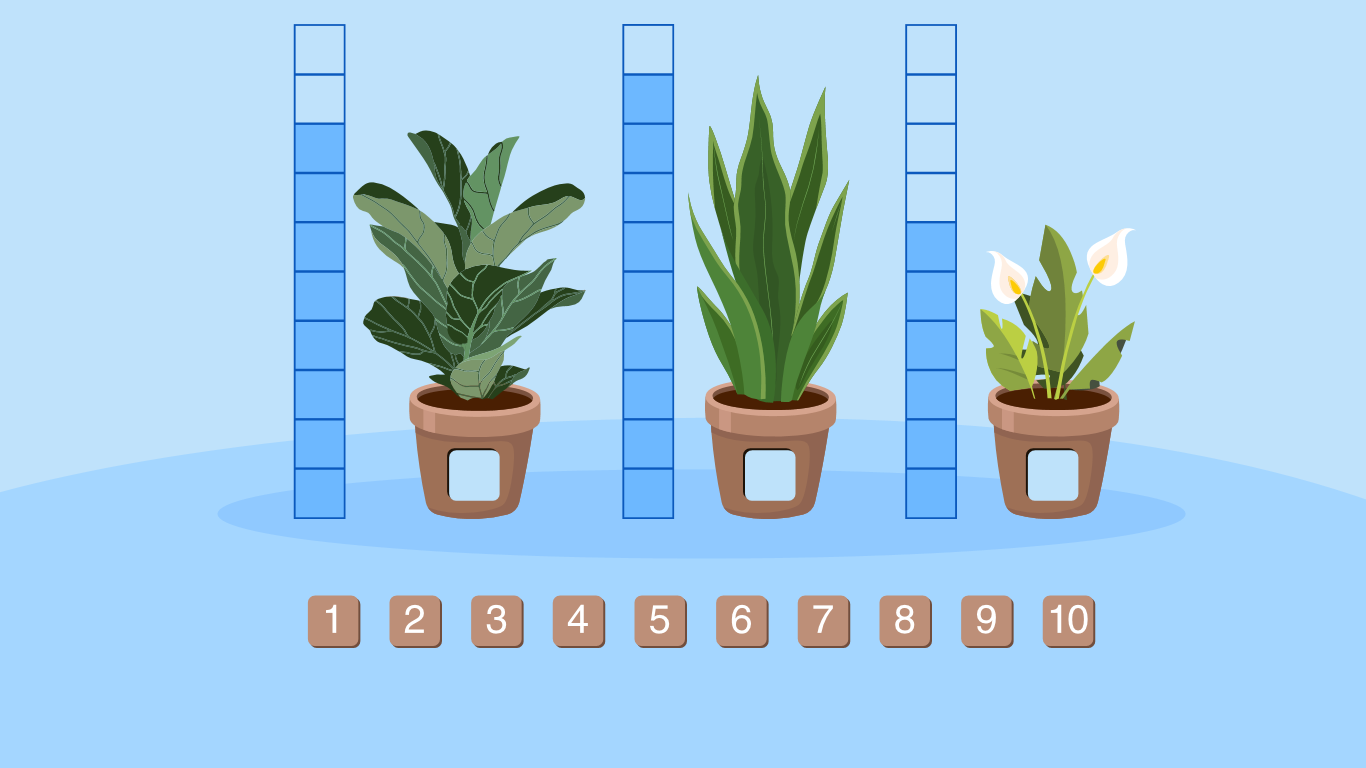
Measure the height of the houseplants with the pot using the squares.
Move the right number to each plant.
Measure the height of the houseplants with the pot using the squares.
Move the right number to each plant.
12
Take note!
You learn about the world with your sense organs,
so you need to take care of them.
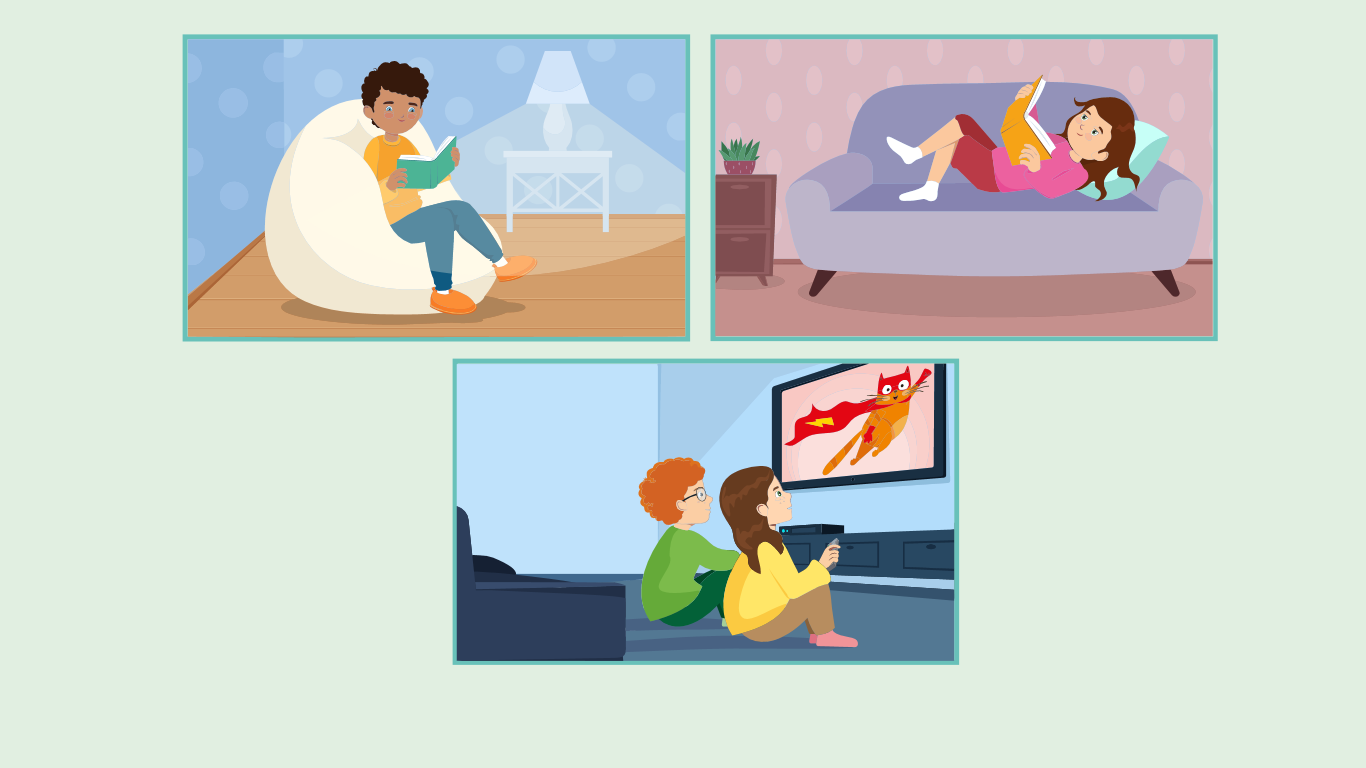
Don't watch TV for too long and don't read while lying down.
This is bad for your eyes.
Keep your ears clean.
Don't listen to music that is too loud.
Remember, loud sounds are very dangerous.
In cold weather, be careful not to catch a cold.
This will help you keep a good sense of smell.
Don't eat food that is too hot.
And don't forget to rinse your mouth after eating.
Make sure your skin is always clean.
Be careful when using sharp or prickly things.
Take note!
You learn about the world with your sense organs,
so you need to take care of them.
Don't watch TV for too long and don't read while lying down.
This is bad for your eyes.
Keep your ears clean.
Don't listen to music that is too loud.
Remember, loud sounds are very dangerous.
In cold weather, be careful not to catch a cold.
This will help you keep a good sense of smell.
Don't eat food that is too hot.
And don't forget to rinse your mouth after eating.
Make sure your skin is always clean.
Be careful when using sharp or prickly things.
13
Think, who of the children takes care of their sight?
Choose the right picture.
Think, who of the children takes care of their sight?
Choose the right picture.
14
You are learning to observe non-living and living things in the environment.
Tools for exploring help you with this.
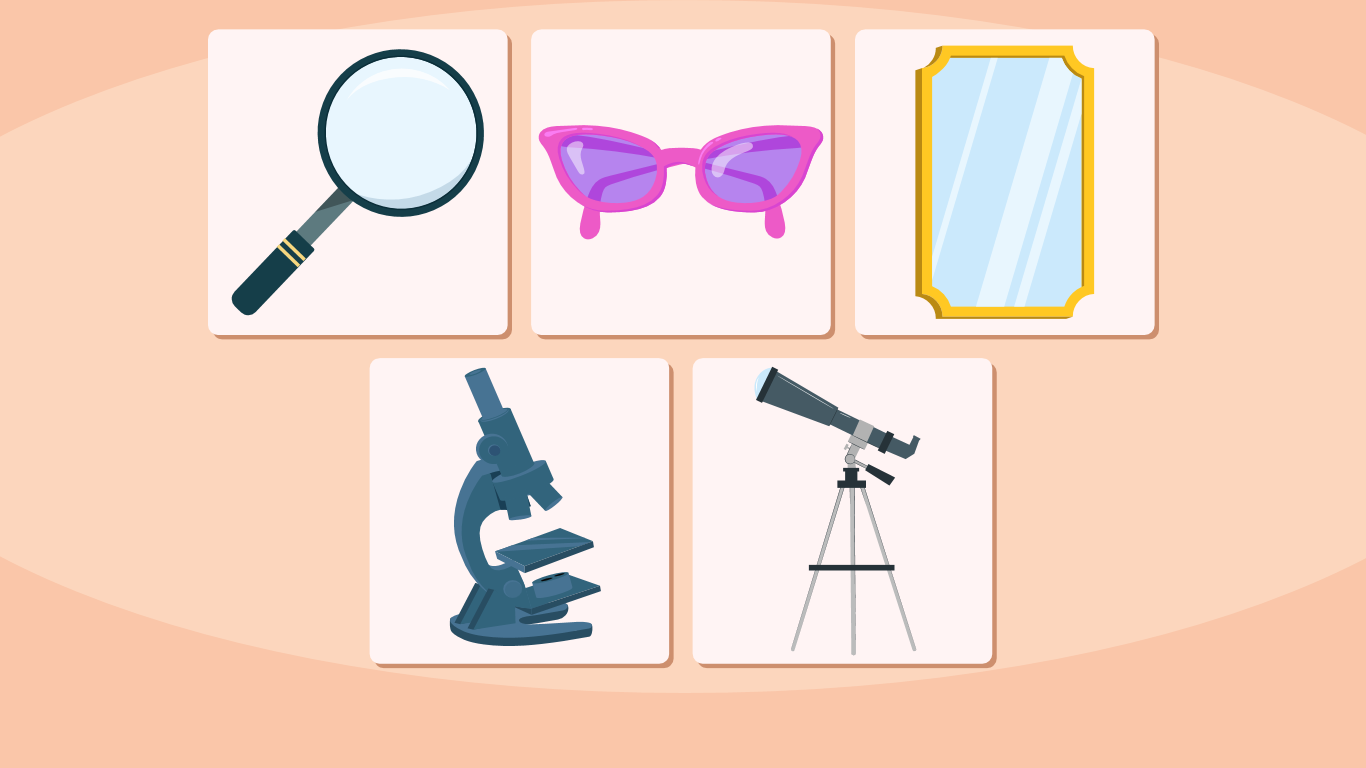
With a magnifying glass, look at small details.
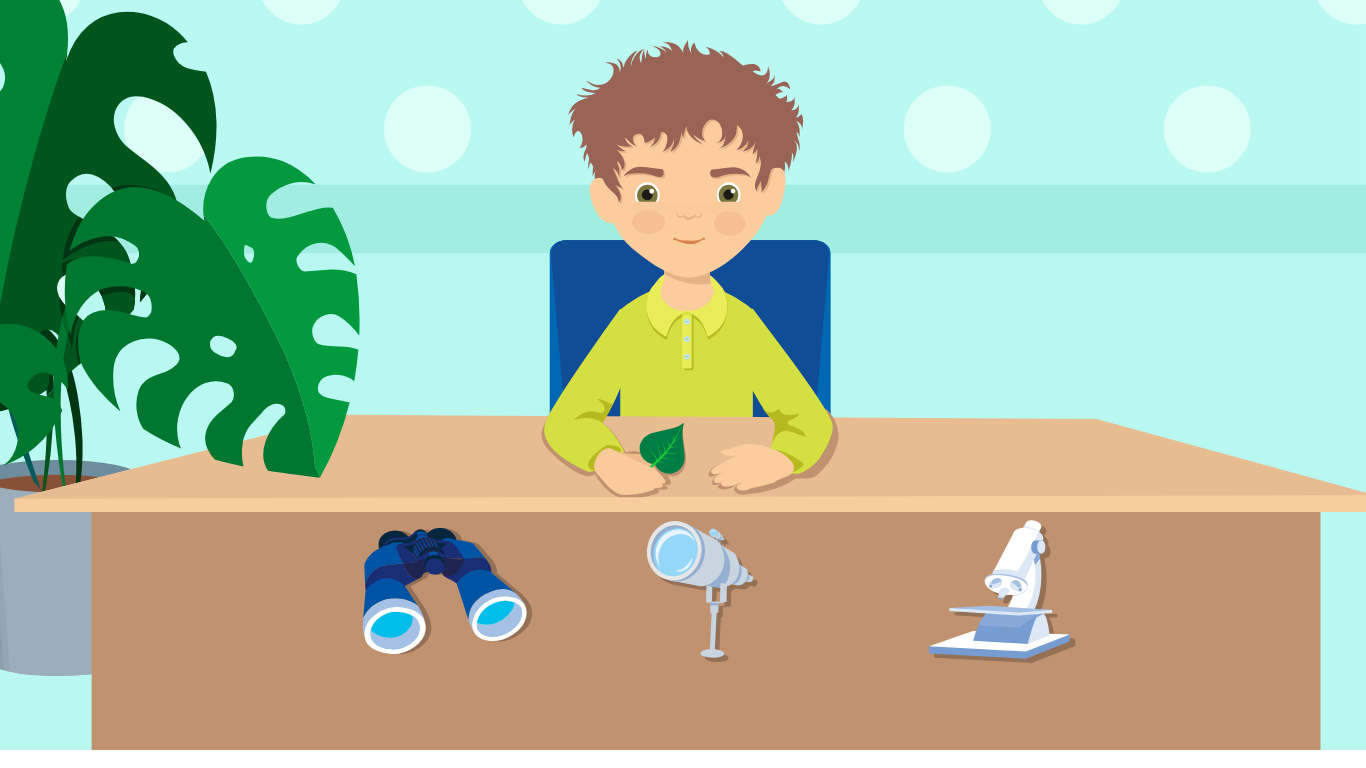
With a microscope, look at very tiny things.
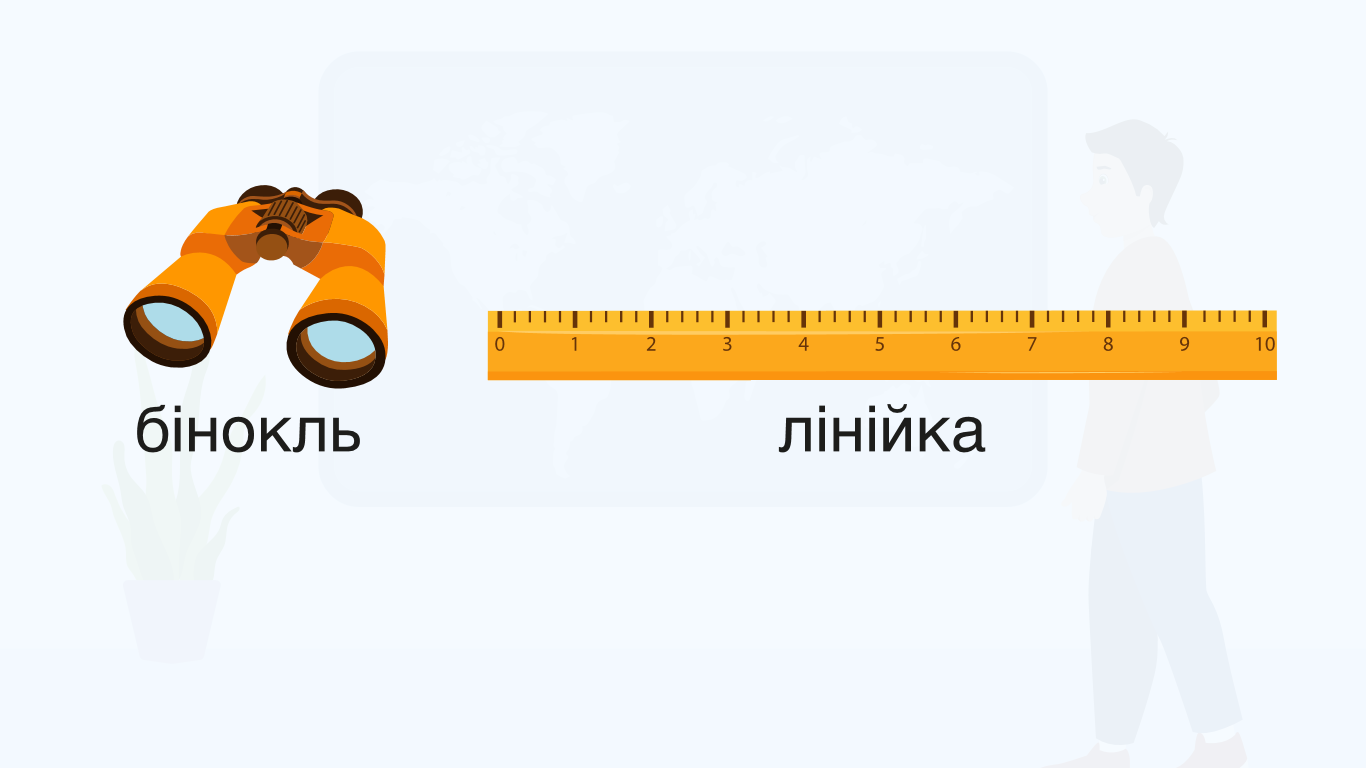
With binoculars, look at things that are far from you.
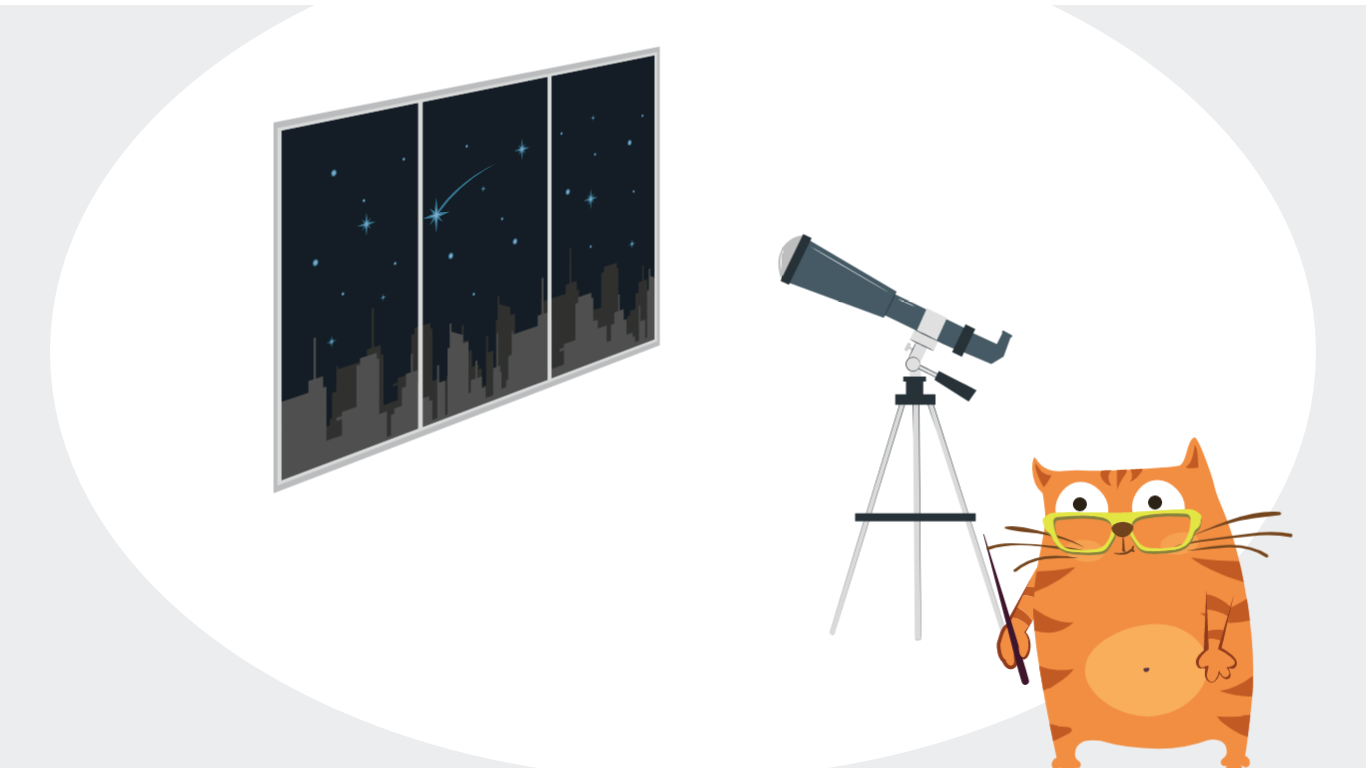
With a telescope, watch your favorite constellations.
Use a ruler to measure the length of things,
and a height meter to measure your height.
You can find out the mass of a body with scales.
And with different thermometers, you can find out the temperature of a body
and the temperature of the air.
You are learning to observe non-living and living things in the environment.
Tools for exploring help you with this.
With a magnifying glass, look at small details.
With a microscope, look at very tiny things.
With binoculars, look at things that are far from you.
With a telescope, watch your favorite constellations.
Use a ruler to measure the length of things,
and a height meter to measure your height.
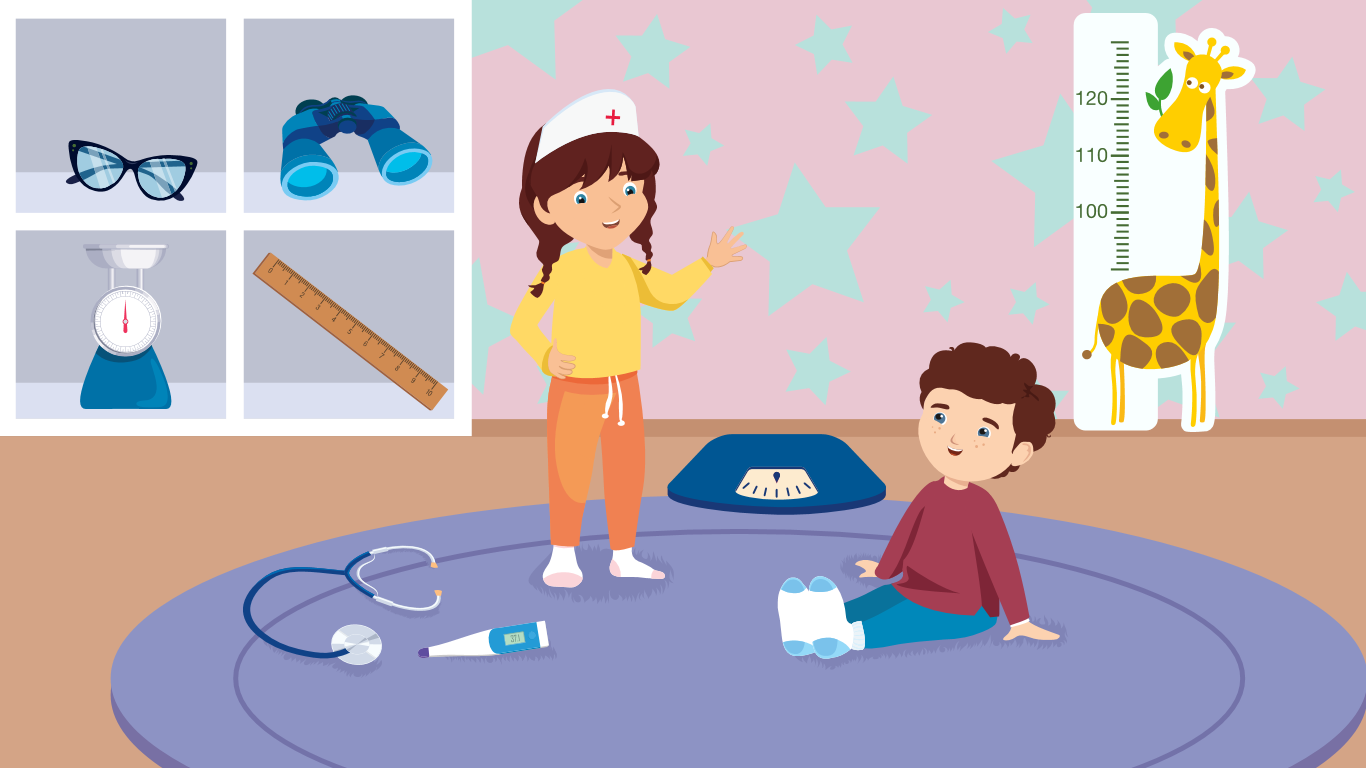
You can find out the mass of a body with scales.
And with different thermometers, you can find out the temperature of a body
and the temperature of the air.
15
Choose the tools that make things look bigger for your eyes.
Choose the tools that make things look bigger for your eyes.
16
Choose the tool whose name has the most loud sounds.
Choose the tool whose name has the most loud sounds.
17
Move to the table the tool Bohdan can use to look at the structure of a leaf.
Move to the table the tool Bohdan can use to look at the structure of a leaf.
18
Help Marya measure her little brother's weight.
Choose the right tool.
Help Marya measure her little brother's weight.
Choose the right tool.
19
Help your friends on their journey.
Move to the captain the tool he can use to see land far away.
Help your friends on their journey.
Move to the captain the tool he can use to see land far away.

20
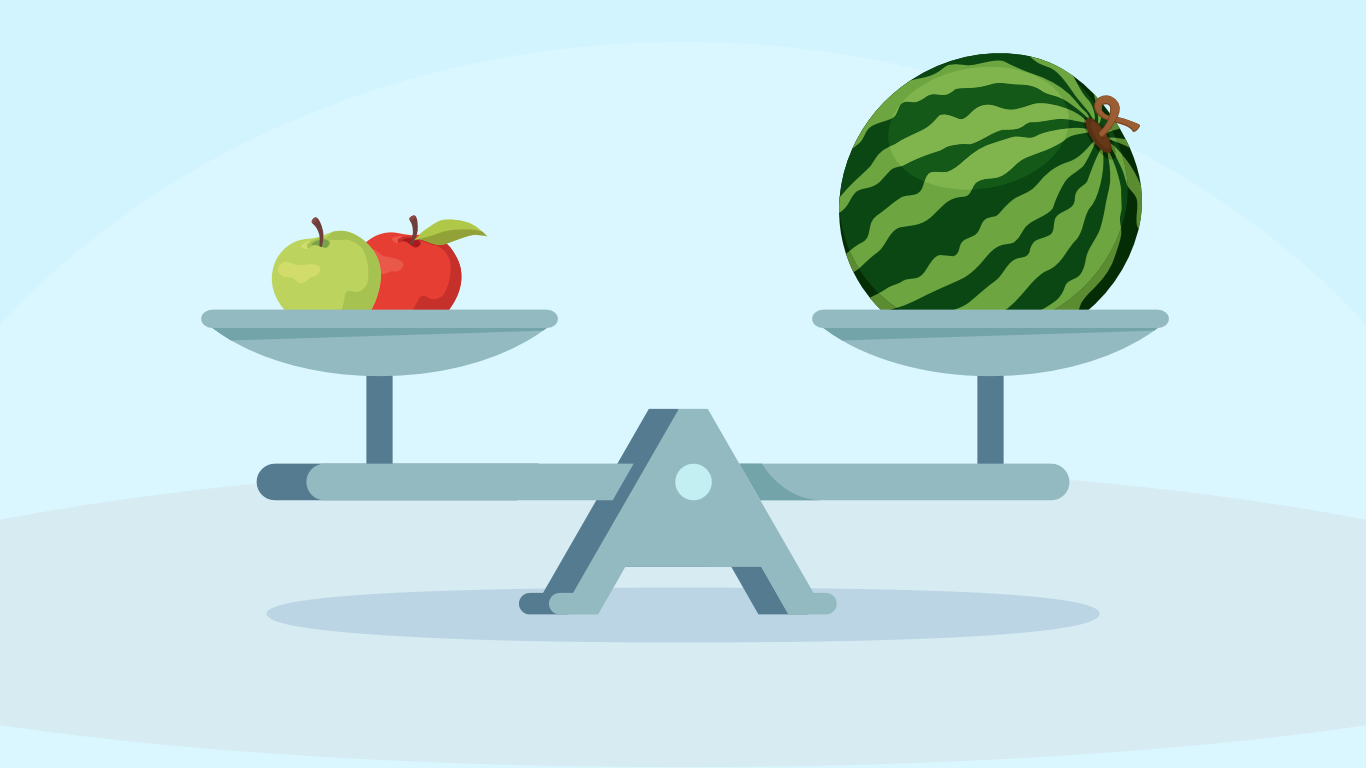
Think, what is heavier – two apples or one watermelon?
Choose the right fruit.
Think, what is heavier – two apples or one watermelon?
Choose the right fruit.